Cantonese Chow Mein Recipe – Better Than Takeout Noodles
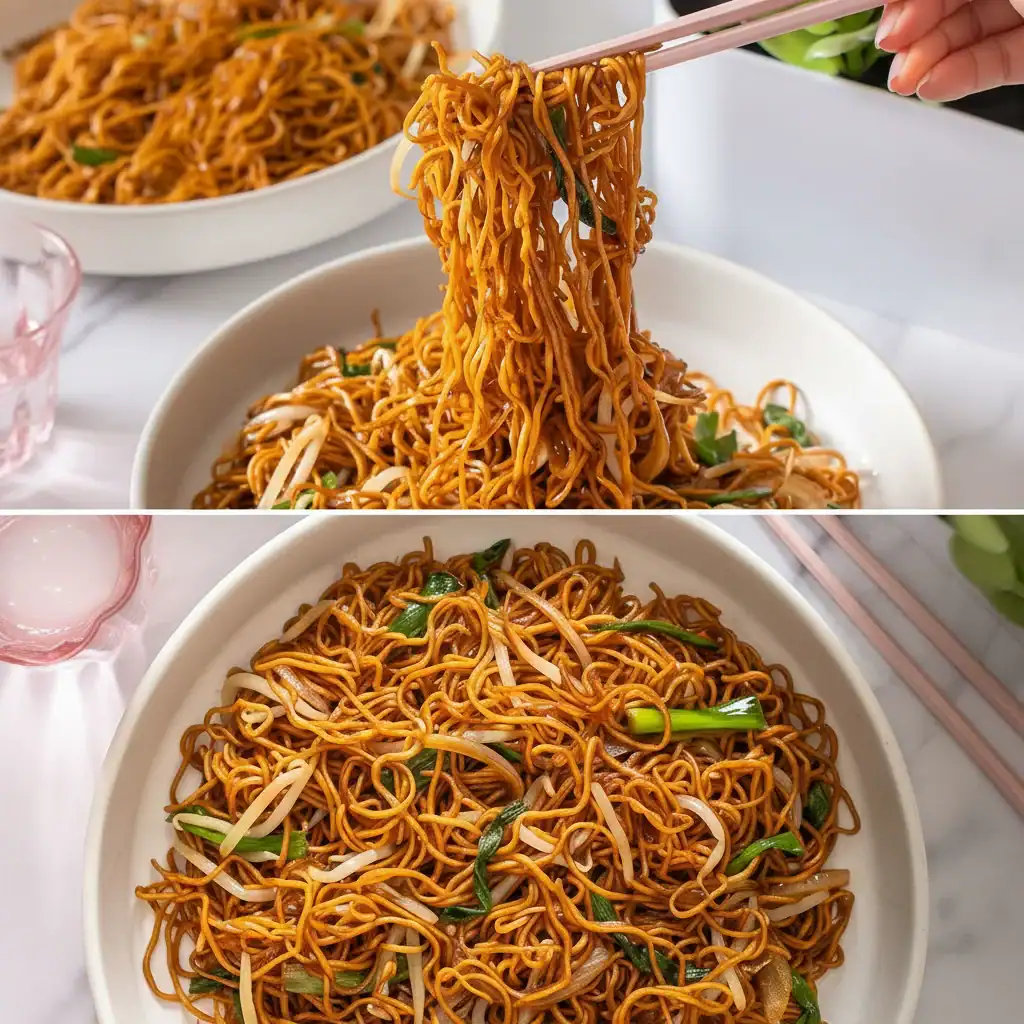
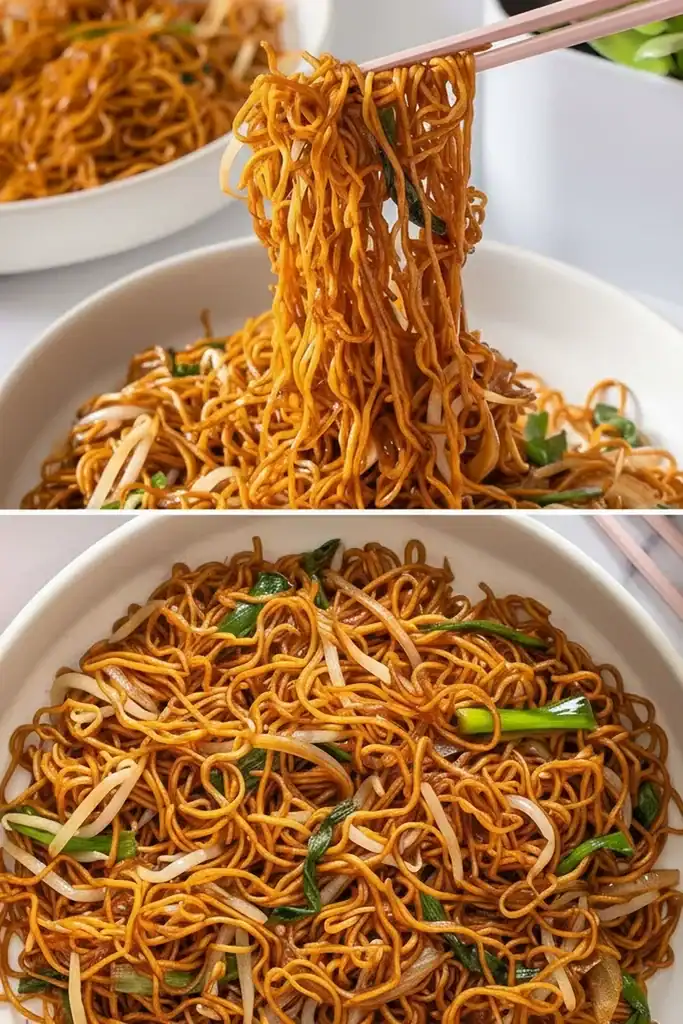
There’s a special kind of magic in the contrast of textures. Imagine a nest of golden, pan-fried noodles, shatteringly crisp on the outside yet pleasingly tender within, generously topped with a rich, glossy sauce brimming with succulent chicken, plump prawns, and vibrant vegetables. This, my friends, is the heart and soul of a true Cantonese Chow Mein, a dish that transforms a simple stir-fry into something truly spectacular. It’s a world away from the softer noodle dishes you might be used to and offers a culinary experience that’s both comforting and exciting.
For me, mastering this stir fry noodles recipe was a game-changer for our weekend meals. It delivers all the satisfaction of a top-notch takeaway, but with the freshness and quality you can only get from your own kitchen. This is my go-to recipe when I need something that comes together relatively quickly but feels genuinely special. It’s a dish that invites you to slow down for a moment and savour that first perfect bite, where the crunch of the noodles gives way to the savoury, umami-packed sauce.
We’re going to walk through every step together, from getting that noodle cake perfectly crisp to balancing the sauce for that authentic Cantonese flavour. This chow mein recipe works beautifully for a family dinner or an impressive meal for two. It’s all about simple, fresh ingredients brought together with a technique that’s straightforward to learn.
Recipe Overview
This Cantonese Chow Mein recipe focuses on creating a distinct two-texture noodle base: crispy on the top and bottom, and soft in the middle. This “two-sided brown” (leung min wong) noodle cake is the perfect foundation for a classic stir-fry topping made with chicken, prawns, and crisp-tender vegetables in a savoury sauce. After a few attempts, I found that the secret to the best texture is ensuring the blanched noodles are properly dry before they hit the pan.
- Prep Time: 20 minutes
- Cook Time: 15 minutes
- Total Time: 35 minutes
- Servings: 3-4 people
- Difficulty: Medium
Why You’ll Love This Cantonese Chow Mein Recipe
- Authentic Flavour Profile: We use a combination of light and dark soy sauce, oyster sauce for a deep umami base, and a splash of Shaoxing wine which gives the sauce an unmistakable, aromatic depth. It’s savoury, slightly sweet, and utterly delicious.
- Ready in Under 40 Minutes: From chopping the first vegetable to spooning the sauce over the crispy noodles, this entire dish comes together in about 35 minutes, making it ideal for a weeknight treat.
- A Wonderfully Flexible Recipe: Don’t have chicken? Use thinly sliced beef sirloin. Not a fan of prawns? Double up on the chicken or add some Cantonese roast pork (char siu). You can also swap the vegetables for what you have on hand – mangetout, baby corn, and sliced mushrooms all work wonderfully.
- Ideal for a “Fakeaway” Night: This is a fantastic dish for a Friday or Saturday night when you’re craving Chinese food but want something healthier and more vibrant than a standard takeaway. If you enjoy creating savoury, flavourful meals at home, you might also like my Bang Bang Chicken Thighs recipe.
- Family Tested and Approved: I make this at least once a month, and it’s become a family favourite. My kids absolutely love the crunchy noodles, and my husband always comments on how rich and satisfying the sauce is. Everyone seems to love this dish.
Ingredients You’ll Need
For the best results, try to get fresh, thin Hong Kong-style egg noodles, often found in the refrigerated section of Asian supermarkets. They are specifically designed for this kind of dish. I always reach for the Lee Kum Kee brand for oyster sauce; its quality and flavour are consistently excellent.
- For the Noodles:
- 400g fresh thin egg noodles
- 2 tbsp vegetable or groundnut oil
- 1 tsp sesame oil
- For the Stir-fry:
- 150g skinless, boneless chicken breast, thinly sliced
- 150g raw king prawns, peeled and deveined
- 1 tbsp vegetable oil
- 2 cloves garlic, finely minced
- 1 tbsp fresh ginger, finely grated
- 1 medium carrot, peeled and thinly sliced on the diagonal
- 2 heads of bok choy, leaves separated and washed
- 4 spring onions, cut into 4cm lengths
- For the Sauce:
- 250ml low-sodium chicken stock
- 2 tbsp light soy sauce
- 1 tsp dark soy sauce
- 2 tbsp oyster sauce
- 1 tbsp Shaoxing rice wine
- 1 tsp toasted sesame oil
- 1 tsp sugar
- ½ tsp ground white pepper
- 1 tbsp cornflour mixed with 2 tbsp cold water to make a slurry
Sara’s Tip: Don’t be tempted to substitute cooking sherry for the Shaoxing wine. The flavour is quite different. If you can’t find it, it’s better to simply leave it out, though you will miss some of that authentic restaurant-style flavour.
How to Make Cantonese Chow Mein
The key to a successful stir-fry is having everything prepared before you start cooking, a practice known as ‘mise en place’. The cooking process is very fast, so you won’t have time to chop vegetables once the wok is hot. Let’s get started on this fantastic chinese noodle recipe.
- Prepare the Noodles: Bring a large pot of water to a boil. Add the fresh egg noodles and cook for 60-90 seconds, just until they loosen and soften. Do not overcook. Drain immediately and rinse under cold water to stop the cooking process. Spread them out on a clean tea towel or kitchen paper and pat them as dry as possible. Toss with 1 tsp of sesame oil to prevent sticking.
- Mix the Sauce: In a small bowl or jug, whisk together all the sauce ingredients EXCEPT for the cornflour slurry. Set this aside.
- Create the Crispy Noodle Cake: Heat 2 tbsp of vegetable oil in a large, non-stick frying pan or wok over a medium-high heat. Once the oil is shimmering, add the dried noodles and spread them out into an even, flat cake. I find that gently pressing the noodles down with a spatula helps form a more cohesive and evenly browned base.
- Fry the Noodles: Cook the noodle cake for 4-6 minutes on the first side, without moving it too much, until it’s deeply golden brown and crisp. Carefully slide it onto a large plate, then place the pan over the plate and flip it back in to cook the other side. Cook for another 4-5 minutes until the second side is also crisp. Slide the finished noodle cake onto a serving platter and keep warm.
- Start the Stir-fry: Wipe out the wok and place it over a high heat. Add 1 tbsp of oil. When it’s very hot, add the sliced chicken and stir-fry for 2-3 minutes until it’s just cooked through. Remove the chicken from the wok and set aside. Add the prawns and cook for 1-2 minutes until pink. Remove and set aside with the chicken.
- Cook the Vegetables: Add the minced garlic and ginger to the wok and stir-fry for about 30 seconds until fragrant. Add the sliced carrots and stir-fry for 2 minutes. Then add the bok choy stems and cook for another minute before adding the leaves and the spring onions. Cook for a final minute until the leaves have just wilted.
- Combine and Thicken: Return the cooked chicken and prawns to the wok with the vegetables. Give the sauce mixture a quick stir and pour it into the wok. Bring to a simmer.
- Finish the Sauce: While the sauce is simmering, give the cornflour slurry a quick re-mix and pour it into the wok, stirring continuously. The sauce will thicken and become glossy almost immediately. Let it bubble for about 30 seconds, then remove from the heat.
- Serve Immediately: To serve, you can either pour the entire stir-fry mixture over the crispy noodle cake or cut the noodle cake into portions and spoon the topping over each one. Serve straight away to enjoy the wonderful textural contrast.
Tips From My Kitchen
- Master Your Heat: A key principle of stir-frying is high heat. Your wok or pan should be very hot before you add the ingredients. This sears the food quickly, locking in flavour and moisture and preventing the vegetables from becoming soggy. For the noodle cake, however, a more controlled medium-high heat prevents burning while allowing it to crisp up beautifully.
- The Secret to Crispy Noodles: The most crucial step is drying the blanched noodles thoroughly. I learned that even a little excess water will steam the noodles instead of frying them, preventing that essential crispiness. After draining, I spread them on a tray lined with kitchen paper for a few minutes.
- Prep Ahead for Speed: You can prepare all the components hours in advance. Whisk the sauce ingredients together and store in a jar. Chop all your vegetables and proteins and keep them in separate airtight containers in the fridge. This makes the final cooking process incredibly fast.
- Storing Leftovers: If you have leftovers, it’s best to store the noodle cake and the stir-fry topping in separate airtight containers in the fridge. They will keep for up to 2 days. The noodles will soften upon refrigeration, but you can revive some crispiness by reheating them in a hot, dry frying pan or in an air fryer for a few minutes.
Equipment You’ll Need
You don’t need a professional kitchen setup for this crispy chow mein, but a few key items will make the process much smoother.
- A large wok or a deep, non-stick frying pan (at least 30cm)
- A sharp knife and a sturdy cutting board
- A large pot for boiling noodles
- A colander or sieve
- Small bowls for your ‘mise en place’
- A spatula or fish slice for flipping the noodle cake
Delicious Variations to Try
One of the best things about this stir fry noodles recipe is how easily you can adapt it to your own tastes or what you have in the fridge.
- Spicy Cantonese Chow Mein: For those who like a bit of a kick, add 1-2 teaspoons of chilli garlic sauce or a dash of crispy chilli oil to the sauce mixture. You could also toss in some sliced red chillies with the garlic and ginger.
- Vegetarian/Vegan Option: This dish is fantastic without meat. Replace the chicken and prawns with firm tofu (press it well and pan-fry until golden before adding to the stir-fry) and some sliced shiitake mushrooms. Use a vegetarian “oyster” sauce, which is made from mushrooms, and swap the chicken stock for a quality vegetable stock.
- Different Proteins: Thinly sliced beef sirloin or pork fillet are excellent alternatives. For beef, marinate it for 15 minutes in a little soy sauce and cornflour before frying. You can also use pre-cooked meats like sliced char siu (Cantonese BBQ pork) – just add it at the end to heat through.
What to Serve With Cantonese Chow Mein
While this is a complete meal in itself, a couple of small side dishes can round it out beautifully for a more substantial feast.
- Garlic Stir-Fried Greens: Simple stir-fried pak choi or Kai Lan (Chinese broccoli) with a little garlic and a splash of soy sauce complements the main dish without overpowering it.
- Wonton Soup: A light, clear broth with delicate dumplings makes a wonderful starter to prepare your palate for the rich flavours of the chow mein.
- Drink Pairings: A crisp, cold lager like Tsingtao beer cuts through the richness of the sauce perfectly. For a non-alcoholic option, fragrant jasmine or oolong tea is a traditional and refreshing choice.
Frequently Asked Questions
Cantonese Chow Mein Recipe
Ingredients
Method
- Prepare the Noodles: Bring a large pot of water to a boil. Add the fresh egg noodles and cook for 60-90 seconds, just until they loosen and soften. Do not overcook. Drain immediately and rinse under cold water to stop the cooking process. Spread them out on a clean tea towel or kitchen paper and pat them as dry as possible. Toss with 1 tsp of sesame oil to prevent sticking.
- Mix the Sauce: In a small bowl or jug, whisk together all the sauce ingredients EXCEPT for the cornflour slurry. Set this aside.
- Create the Crispy Noodle Cake: Heat 2 tbsp of vegetable oil in a large, non-stick frying pan or wok over a medium-high heat. Once the oil is shimmering, add the dried noodles and spread them out into an even, flat cake. I find that gently pressing the noodles down with a spatula helps form a more cohesive and evenly browned base.
- Fry the Noodles: Cook the noodle cake for 4-6 minutes on the first side, without moving it too much, until it's deeply golden brown and crisp. Carefully slide it onto a large plate, then place the pan over the plate and flip it back in to cook the other side. Cook for another 4-5 minutes until the second side is also crisp. Slide the finished noodle cake onto a serving platter and keep warm.
- Start the Stir-fry: Wipe out the wok and place it over a high heat. Add 1 tbsp of oil. When it's very hot, add the sliced chicken and stir-fry for 2-3 minutes until it's just cooked through. Remove the chicken from the wok and set aside. Add the prawns and cook for 1-2 minutes until pink. Remove and set aside with the chicken.
- Cook the Vegetables: Add the minced garlic and ginger to the wok and stir-fry for about 30 seconds until fragrant. Add the sliced carrots and stir-fry for 2 minutes. Then add the bok choy stems and cook for another minute before adding the leaves and the spring onions. Cook for a final minute until the leaves have just wilted.
- Combine and Thicken: Return the cooked chicken and prawns to the wok with the vegetables. Give the sauce mixture a quick stir and pour it into the wok. Bring to a simmer.
- Finish the Sauce: While the sauce is simmering, give the cornflour slurry a quick re-mix and pour it into the wok, stirring continuously. The sauce will thicken and become glossy almost immediately. Let it bubble for about 30 seconds, then remove from the heat.
- Serve Immediately: To serve, you can either pour the entire stir-fry mixture over the crispy noodle cake or cut the noodle cake into portions and spoon the topping over each one. Serve straight away to enjoy the wonderful textural contrast.
Notes
I really hope you give this Cantonese Chow Mein recipe a try. It’s one of those dishes that brings so much joy and satisfaction, and it’s a wonderful way to bring the vibrant flavours of a Chinese restaurant into your own home. Once you get the hang of crisping the noodles, you’ll want to make it again and again. If you do make it, please drop a comment below and let me know how it turned out for you! I love hearing about your kitchen adventures. For a sweet treat to follow this meal, why not try my Peach Crumb Cheesecake? Happy cooking!
– Sara