Korean Beef Bibimbap Bowl Recipe – Colorful Rice Bowl
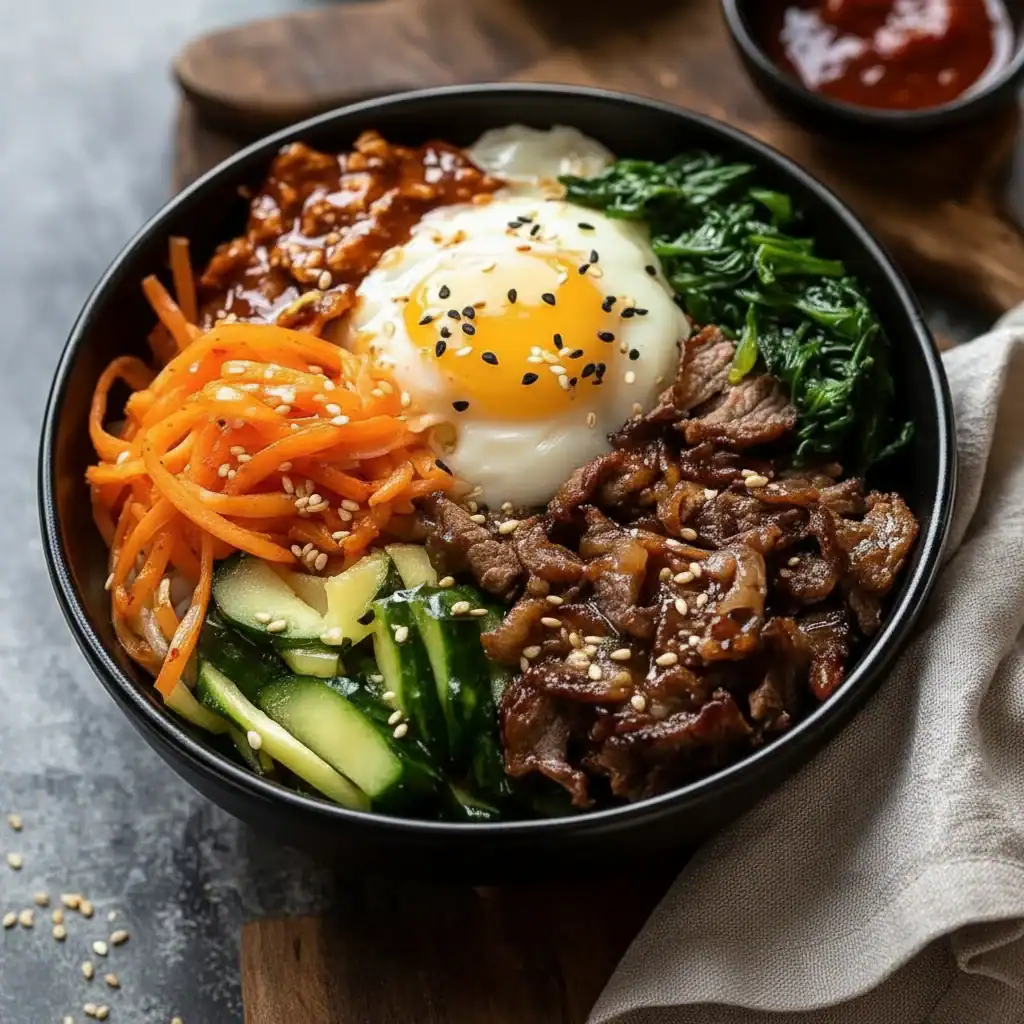
There are few meals as visually captivating and deeply satisfying as a traditional bibimbap. The name, which translates to “mixed rice,” perfectly captures the hands-on delight of eating this dish. Before you even pick up your spoon, you get to appreciate the beautiful arrangement of colourful, seasoned vegetables, savoury marinated beef, and a magnificent golden-yolked egg perched on a bed of warm rice. This is more than just dinner; it’s a vibrant mosaic of tastes and textures. With our authentic Korean Beef Bibimbap Bowl Recipe, we’re here to guide you in recreating this stunning centrepiece in your own home. It’s an ideal choice for a healthy midweek meal or a weekend treat, packing a flavourful punch that stands up to even the most dynamic dishes, like our much-loved Bang Bang Chicken Thighs. Get ready to discover your new favourite korean rice bowl.
Why You’ll Love This Recipe
- A Symphony of Flavours: This bowl is a masterclass in balance. It brings together savoury, umami-rich beef, crisp and fresh vegetables, aromatic sesame oil, and the iconic sweet-and-spicy heat of gochujang sauce. Every spoonful of our korean beef bibimbap is a wonderfully complex and delightful experience.
- Looks Gourmet, Feels Simple: Although the finished bowl is a true work of art, please don’t feel daunted! We guide you through the process with easy-to-follow steps. It’s all about the preparation; once your ingredients are ready, putting it all together is incredibly simple. It’s the perfect way to wow your guests without any kitchen stress.
- Wholesome and Complete: We adore that this is a fully rounded meal in a single bowl. It’s filled with lean protein from the beef and egg, packed with vitamins and fibre from the variety of vegetables, and has a comforting foundation of carbohydrates from the rice. It’s nourishing, hearty, and wonderfully fulfilling.
- Fantastically Versatile: Think of this bibimbap recipe as your personal canvas. No courgettes in the fridge? Try bell peppers instead. Not keen on mushrooms? You can leave them out or use wilted spinach. It’s a brilliant opportunity to use whatever fresh veg you have, making it an excellent fridge-clearing meal. You can also tailor the spice level to your liking.
Ingredients
- For the Marinated Beef:
- 350g sirloin or rib-eye steak, very thinly sliced
- 3 tablespoons soy sauce (we use a light soy sauce)
- 2 tablespoons sesame oil
- 1 tablespoon brown sugar
- 2 cloves garlic, minced
- 1 teaspoon fresh ginger, grated
- 1/4 teaspoon black pepper
- For the Rice & Assembly:
- 300g short-grain or sushi rice
- 4 large free-range eggs
- Toasted sesame seeds, for garnish
- 2 spring onions, finely sliced, for garnish
- For the Vegetables:
- 150g fresh spinach
- 150g beansprouts
- 2 medium carrots, peeled and julienned
- 1 medium courgette, julienned
- 100g shiitake mushrooms, sliced
- 1-2 tablespoons vegetable oil, for cooking
- For the Bibimbap Sauce:
- 4 tablespoons gochujang (Korean chilli paste)
- 2 tablespoons sesame oil
- 1 tablespoon rice vinegar
- 1 tablespoon sugar or honey
- 1 tablespoon water
- 1 clove garlic, minced
Instructions
- Cook the Rice: A brilliant bibimbap begins with perfectly cooked rice. Rinse your rice in cold water until it runs clear. Prepare it following the packet instructions, either in a rice cooker or on the hob. When it’s done, give it a gentle fluff with a fork and keep it covered to stay warm.
- Marinate the Beef: In a bowl, whisk together the soy sauce, 2 tablespoons of sesame oil, brown sugar, 2 minced garlic cloves, grated ginger, and black pepper. Add the thinly sliced beef and stir until every piece is thoroughly coated. Let it marinate for at least 30 minutes while you work on the other elements. This step is crucial for a deeply flavourful marinated beef bowl.
- Prepare the Vegetables (Mise en Place): This is the most involved stage, but it’s very straightforward. We cook each vegetable individually to let its distinct flavour and texture shine.
- Spinach & Beansprouts: Boil a small pan of water. Blanch the spinach for just 30 seconds, then promptly remove and submerge it in iced water to stop the cooking. Squeeze out every bit of excess water. Repeat this for the beansprouts, blanching them for 1 minute. In a small bowl, toss the drained spinach and beansprouts (you can do this separately) with a little sesame oil and a pinch of salt.
- Carrots & Courgettes: Warm a teaspoon of vegetable oil in a large frying pan or wok over a medium-high heat. Add the julienned carrots and a pinch of salt. Stir-fry for 2-3 minutes until they’re tender but still have a bit of bite. Remove from the pan and set aside. Follow the exact same method for the julienned courgette.
- Mushrooms: Using the same pan, add another teaspoon of oil. Sauté the sliced shiitake mushrooms with a little soy sauce until they’re soft and beautifully browned, which should take about 4-5 minutes. Set aside with your other prepared vegetables.
- Cook the Beef: Give your frying pan a quick wipe and place it over a high heat. Arrange the marinated beef in a single layer (you might need to do this in two batches to avoid overcrowding). Cook for 1-2 minutes on each side until just cooked through with delicious caramelised edges. Take care not to let it overcook!
- Make the Sauce: This part couldn’t be simpler! In a small bowl, combine all the ingredients for the bibimbap sauce: gochujang, sesame oil, rice vinegar, sugar, water, and the remaining minced garlic clove. Whisk it all together until you have a smooth mixture. You can add a little more water for a runnier consistency if you prefer.
- Fry the Eggs: In a clean non-stick pan, fry your four eggs sunny-side up. The goal is to have perfectly set whites and a lovely, liquid yolk which will mix into the rice to create an extra layer of delicious sauce.
- Assemble Your Bowls: Now for the creative part! Share the warm rice between four wide bowls. Thoughtfully arrange a portion of the cooked beef and each of the prepared vegetables in their own sections on top of the rice. Make a small dip in the middle and carefully place a fried egg in it.
- Serve and Enjoy: Garnish your stunning bowls with a scattering of toasted sesame seeds and sliced spring onions. Serve straight away, with the gochujang sauce on the side so everyone can add their preferred amount. The authentic way to eat bibimbap is to add your sauce, break the yolk with your spoon, and mix everything together into a glorious, flavourful combination before taking that first perfect bite. Enjoy!
Frequently Asked Questions
Making this authentic beef bibimbap in your own kitchen is a truly rewarding experience. It’s a delight for both the eyes and the taste buds, and a wonderful dish to gather everyone around the table. We hope you enjoy the process of building your own perfect bowl and savouring the incredible flavours. After you’ve mastered this savoury classic, why not try your hand at something sweet? We think our simple yet decadent Biscoff Truffles would make the perfect pudding. We would love to hear how your bibimbap turns out, so please let us know in the comments below!
Recipe Card
Ingredients
- For the Marinated Beef:
- 350g sirloin or rib-eye steak, very thinly sliced
- 3 tablespoons soy sauce (we use a light soy sauce)
- 2 tablespoons sesame oil
- 1 tablespoon brown sugar
- 2 cloves garlic, minced
- 1 teaspoon fresh ginger, grated
- 1/4 teaspoon black pepper
- For the Rice & Assembly:
- 300g short-grain or sushi rice
- 4 large free-range eggs
- Toasted sesame seeds, for garnish
- 2 spring onions, finely sliced, for garnish
- For the Vegetables:
- 150g fresh spinach
- 150g beansprouts
- 2 medium carrots, peeled and julienned
- 1 medium courgette, julienned
- 100g shiitake mushrooms, sliced
- 1-2 tablespoons vegetable oil, for cooking
- For the Bibimbap Sauce:
- 4 tablespoons gochujang (Korean chilli paste)
- 2 tablespoons sesame oil
- 1 tablespoon rice vinegar
- 1 tablespoon sugar or honey
- 1 tablespoon water
- 1 clove garlic, minced
Instructions
- Cook the Rice: A brilliant bibimbap begins with perfectly cooked rice. Rinse your rice in cold water until it runs clear. Prepare it following the packet instructions, either in a rice cooker or on the hob. When it’s done, give it a gentle fluff with a fork and keep it covered to stay warm.
- Marinate the Beef: In a bowl, whisk together the soy sauce, 2 tablespoons of sesame oil, brown sugar, 2 minced garlic cloves, grated ginger, and black pepper. Add the thinly sliced beef and stir until every piece is thoroughly coated. Let it marinate for at least 30 minutes while you work on the other elements. This step is crucial for a deeply flavourful marinated beef bowl.
- Prepare the Vegetables (Mise en Place): This is the most involved stage, but it’s very straightforward. We cook each vegetable individually to let its distinct flavour and texture shine.
- Spinach & Beansprouts: Boil a small pan of water. Blanch the spinach for just 30 seconds, then promptly remove and submerge it in iced water to stop the cooking. Squeeze out every bit of excess water. Repeat this for the beansprouts, blanching them for 1 minute. In a small bowl, toss the drained spinach and beansprouts (you can do this separately) with a little sesame oil and a pinch of salt.
- Carrots & Courgettes: Warm a teaspoon of vegetable oil in a large frying pan or wok over a medium-high heat. Add the julienned carrots and a pinch of salt. Stir-fry for 2-3 minutes until they’re tender but still have a bit of bite. Remove from the pan and set aside. Follow the exact same method for the julienned courgette.
- Mushrooms: Using the same pan, add another teaspoon of oil. Sauté the sliced shiitake mushrooms with a little soy sauce until they’re soft and beautifully browned, which should take about 4-5 minutes. Set aside with your other prepared vegetables.
- Cook the Beef: Give your frying pan a quick wipe and place it over a high heat. Arrange the marinated beef in a single layer (you might need to do this in two batches to avoid overcrowding). Cook for 1-2 minutes on each side until just cooked through with delicious caramelised edges. Take care not to let it overcook!
- Make the Sauce: This part couldn’t be simpler! In a small bowl, combine all the ingredients for the bibimbap sauce: gochujang, sesame oil, rice vinegar, sugar, water, and the remaining minced garlic clove. Whisk it all together until you have a smooth mixture. You can add a little more water for a runnier consistency if you prefer.
- Fry the Eggs: In a clean non-stick pan, fry your four eggs sunny-side up. The goal is to have perfectly set whites and a lovely, liquid yolk which will mix into the rice to create an extra layer of delicious sauce.
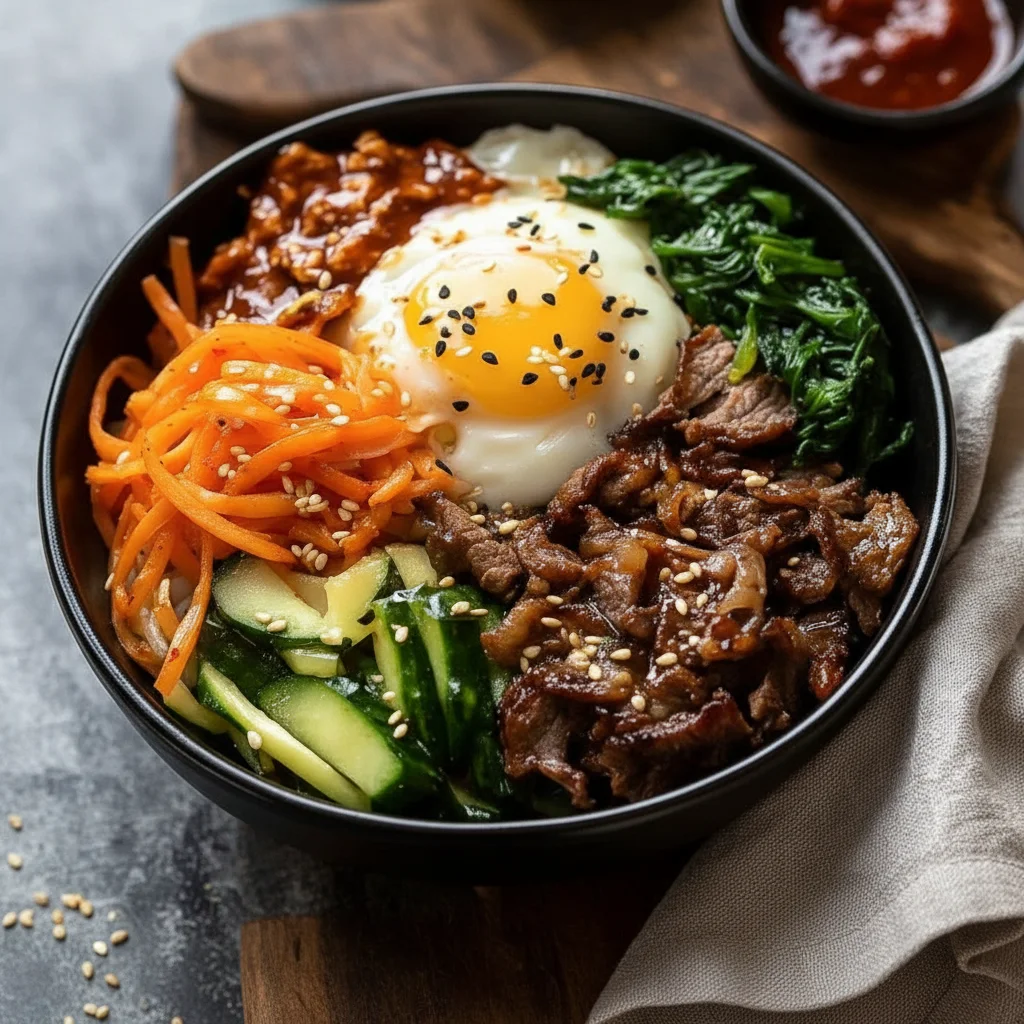
- Assemble Your Bowls: Now for the creative part! Share the warm rice between four wide bowls. Thoughtfully arrange a portion of the cooked beef and each of the prepared vegetables in their own sections on top of the rice. Make a small dip in the middle and carefully place a fried egg in it.
- Serve and Enjoy: Garnish your stunning bowls with a scattering of toasted sesame seeds and sliced spring onions. Serve straight away, with the gochujang sauce on the side so everyone can add their preferred amount. The authentic way to eat bibimbap is to add your sauce, break the yolk with your spoon, and mix everything together into a glorious, flavourful combination before taking that first perfect bite. Enjoy!