Korean Beef Bulgogi Recipe – Savory Sweet Marinated Meat
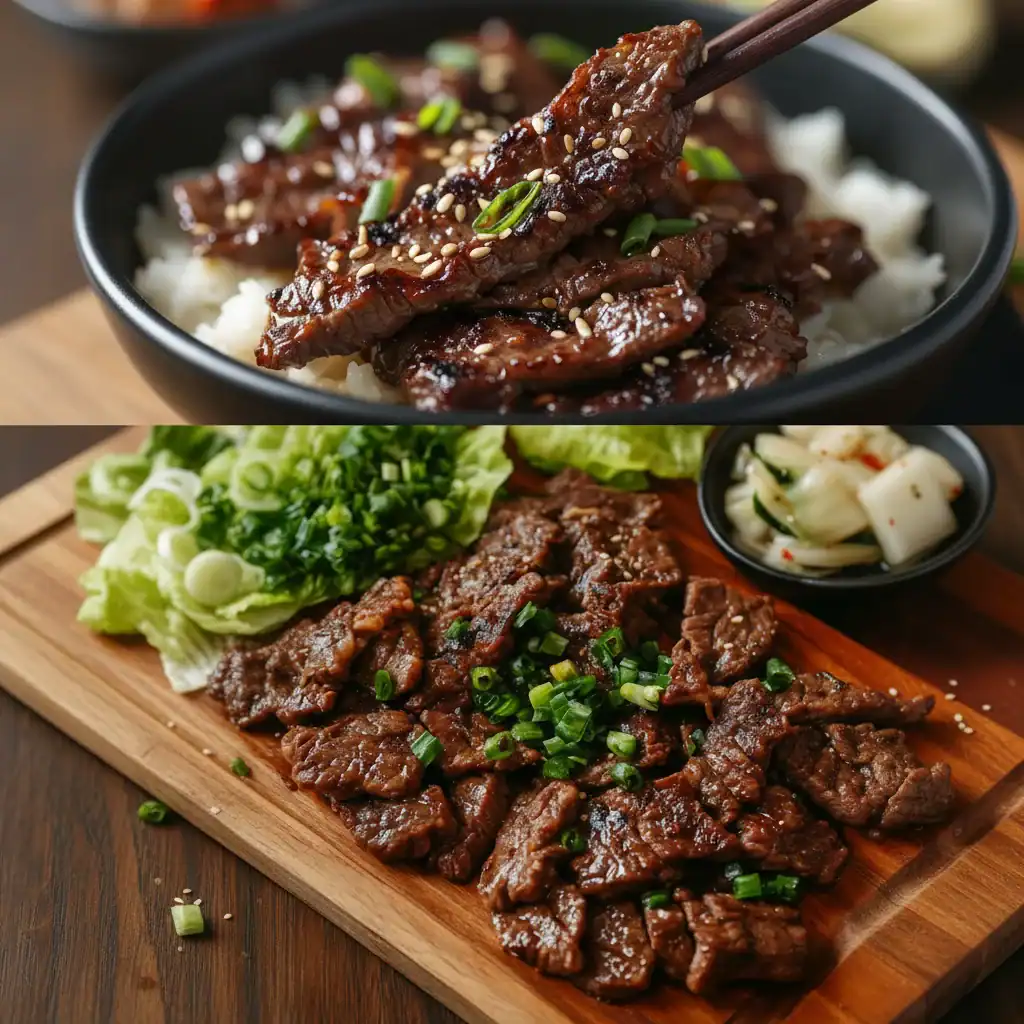
There are some aromas that instantly transport you, and for me, the sizzle of beef hitting a hot pan filled with a sweet and savoury Korean marinade is one of them. The smell of soy, sesame, garlic, and ginger fills the kitchen, promising something truly special. This Korean Beef Bulgogi recipe is a staple in our home. It’s that one meal I turn to when I want to deliver big flavour without spending hours over the stove. My kids absolutely devour this every time I make it, wrapping the tender, caramelised beef in crisp lettuce leaves with a spoonful of rice.
Bulgogi, which translates to “fire meat,” is a classic Korean grilled dish that has won hearts all over the world. What makes this version so good is the marinade. We’re using grated Asian pear, which not only provides a subtle, natural sweetness but also contains enzymes that work to tenderise the beef, making it melt-in-the-mouth tender. The result is a dish of beautifully thin, succulent beef strips with slightly charred, caramelised edges that are just irresistible.
This recipe is ideal for a lively family dinner during the week or as the centrepiece of a weekend get-together with friends. It’s interactive, delicious, and always gets compliments. Unlike some of our other family favourites like these Bacon Brown Sugar Chicken Tenders, this dish brings a unique sweet and savoury profile that feels both comforting and a little bit fancy.
Recipe Overview
This Korean Beef Bulgogi recipe focuses on creating a deeply flavourful marinade that transforms a simple steak into something extraordinary. The process is straightforward: slice the beef, mix the marinade, let the flavours meld, and then cook it quickly over high heat. After testing this recipe five times, I finally got the balance of sweet and salty just right. The beef cooks in minutes, emerging tender and juicy with those signature caramelised edges.
- Prep Time: 20 minutes
- Marinating Time: 2 hours (or up to 24 hours)
- Cook Time: 10 minutes
- Total Time: 2 hours 30 minutes
- Servings: 4 people
- Difficulty: Easy
Why You’ll Love This Korean Beef Bulgogi Recipe
- Genuine Flavour: The marinade is the heart of this dish. The combination of savoury soy sauce, nutty toasted sesame oil, pungent garlic and ginger, and the secret weapon—grated Asian pear—creates a complex, balanced sauce that perfectly seasons the beef.
- Ready in Under 15 Minutes of Cooking: Once the beef has marinated, the actual cooking process is incredibly fast. This makes it a fantastic option for a weeknight when you want a satisfying meal without a long time at the stove.
- Flexible Recipe: Don’t have sirloin? Ribeye or even flank steak works well. You can adjust the sweetness by adding a little more or less sugar, or introduce a gentle heat with a teaspoon of gochujang (Korean chilli paste).
- Great for Sharing: This dish works wonderfully for a casual dinner party. Set out bowls of rice, lettuce leaves, kimchi, and other toppings, and let everyone build their own delicious wraps.
- Family Tested: This is a guaranteed winner. The slightly sweet, savoury flavour profile is very approachable, and it’s one of the few meals that gets a unanimous thumbs-up in our house.
Ingredients You’ll Need
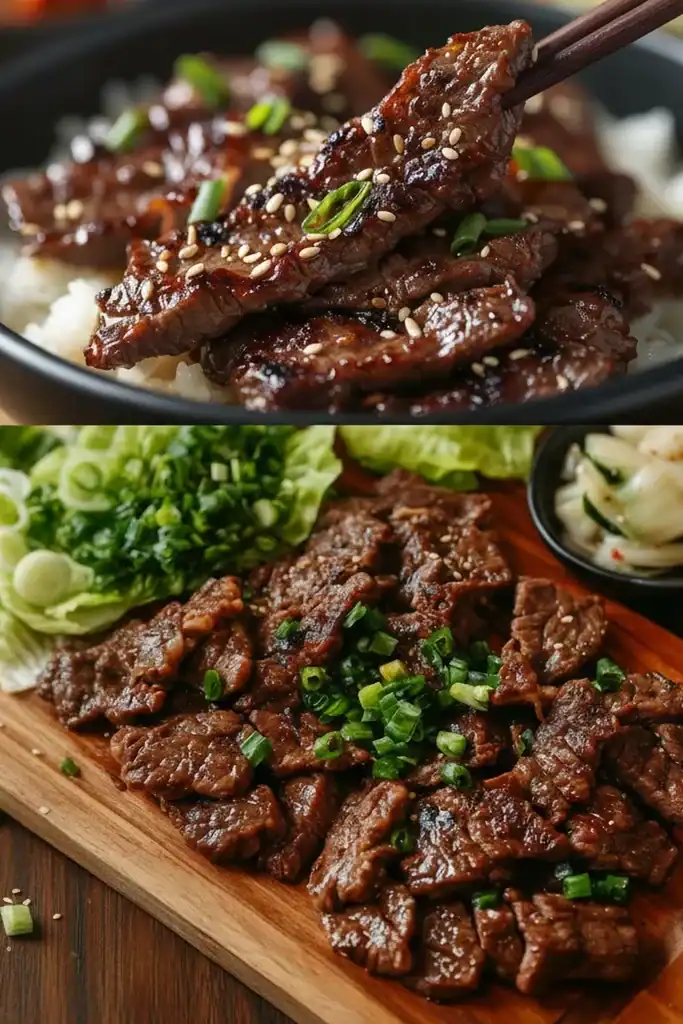
The key to great Bulgogi is using quality ingredients, especially the beef and the soy sauce. I always opt for a good quality, naturally brewed soy sauce like Kikkoman or a Korean brand like Sempio, as it provides a richer, more nuanced flavour than generic alternatives. A good cut of beef, like sirloin or ribeye, with some marbling will give you the most tender results.
- For the Beef and Marinade:
- 700g sirloin steak, very thinly sliced against the grain
- 120ml light soy sauce
- 2 tbsp toasted sesame oil
- 2 tbsp light brown sugar
- 1 medium Asian pear (or a sweet apple like Gala), peeled and grated
- 6 cloves garlic, minced
- 1 tbsp fresh ginger, grated
- 1/2 tsp black pepper, freshly ground
- 1 tbsp mirin (optional, for shine and sweetness)
- For Cooking and Garnish:
- 1 tbsp neutral oil (like rapeseed or vegetable oil)
- 2 spring onions, finely sliced
- 1 tsp toasted sesame seeds
Sara’s Tip: For the thinnest beef slices, place the steak in the freezer for about 30 minutes before slicing. It firms up the meat, making it much easier to get those paper-thin cuts with a sharp knife, which is essential for a tender result.
How to Make Korean Beef Bulgogi Recipe
The process is simple and breaks down into three key stages: preparing the beef and marinade, allowing time for the flavours to penetrate the meat, and a final, fast cook over high heat to achieve that perfect sear.
- Prepare the Beef: If you haven’t bought pre-sliced beef, take your slightly frozen sirloin steak and, using a very sharp knife, slice it as thinly as possible (about 2-3mm thick) against the grain. Place the sliced beef in a large bowl.
- Make the Marinade: In a separate medium bowl, combine the soy sauce, toasted sesame oil, brown sugar, grated Asian pear, minced garlic, grated ginger, black pepper, and mirin (if using). Whisk everything together until the sugar has completely dissolved.
- Marinate the Beef: Pour the marinade over the sliced beef. Use your hands or a spoon to gently massage the marinade into the meat, ensuring every piece is well-coated. What works best for me is to really get in there with my hands to make sure it’s all covered.
- Let it Rest: Cover the bowl with cling film and place it in the refrigerator to marinate for at least 2 hours. For the best, most developed flavour, you can leave it to marinate for up to 24 hours.
- Prepare for Cooking: Before you’re ready to cook, remove the beef from the fridge and let it sit at room temperature for about 20 minutes. This helps it cook more evenly.
- Cook the Beef: Heat the neutral oil in a large cast-iron skillet or frying pan over medium-high heat. The pan needs to be properly hot. Working in batches to avoid overcrowding the pan, add a single layer of beef. Cook for 1-2 minutes per side, until it’s browned and has developed caramelised, slightly charred edges.
- Serve Immediately: Remove the cooked beef from the pan and place it on a serving platter. Repeat with the remaining beef. Garnish generously with the sliced spring onions and toasted sesame seeds, and serve straight away.
Tips From My Kitchen
- High Heat is Key: Don’t be afraid to get your pan very hot. A high, steady heat is what creates the Maillard reaction, giving the beef its deep brown colour and savoury, caramelised flavour. A lower heat will cause the beef to steam in its own juices.
- The Pear is a Secret Weapon: I learned that while apples or kiwis can be substitutes, the Asian pear offers the perfect balance of sweetness and tenderising enzymes without becoming overpowering. It’s worth seeking out at an Asian supermarket or a larger grocery store.
- Make-Ahead Magic: You can prepare the marinade up to 3 days in advance and store it in the fridge. For an even easier meal, marinate the beef and freeze it flat in a zip-top bag for up to 3 months. Simply thaw it overnight in the fridge before you plan to cook.
- Storing Leftovers: Leftover Bulgogi is fantastic! Store it in an airtight container in the refrigerator for up to 3 days. It reheats wonderfully in a hot pan for just a minute or two, or you can enjoy it cold in a salad or sandwich.
Common Mistakes to Avoid
- Overcrowding the Pan: This is the most common mistake. If you add too much beef to the pan at once, the temperature will plummet. Instead of searing, the meat will steam and turn a sad, grey colour. Cook in small batches, allowing space between the slices.
- Not Slicing Against the Grain: Slicing meat against the grain is crucial for tenderness. Look for the lines of the muscle fibres in the steak and cut across them, not parallel to them. This shortens the fibres, making the beef much more tender to eat.
- Cutting the Marinating Time Short: That 2-hour minimum is there for a reason. It’s not just about flavour; it’s about tenderness. The ingredients in the marinade need time to work their magic on the beef fibres. Don’t skip this step!
Delicious Variations to Try
Once you’ve mastered the classic recipe, it’s fun to experiment. The marinade is a brilliant base for a few tasty variations.
- Spicy Bulgogi (Daeji Bulgogi style): For a lovely warmth, add 1-2 tablespoons of gochujang (Korean red chilli paste) to the marinade. It adds a savoury depth and a pleasant heat that complements the sweetness.
- Mushroom Bulgogi (Vegetarian): This marinade is fantastic with vegetables. Use 700g of sliced Portobello or shiitake mushrooms instead of beef. Marinate for just 30 minutes, then pan-fry until golden and tender.
- Chicken Bulgogi (Dak Bulgogi): This also works beautifully with thinly sliced chicken thighs. The marinade keeps the chicken incredibly juicy. If you enjoy experimenting with chicken, you might also like our recipe for Bang Bang Chicken Thighs.
What to Serve With Korean Beef Bulgogi Recipe
Bulgogi is traditionally served as part of a larger meal with various side dishes (banchan). Here are a few of my favourite pairings to create a complete and satisfying meal.
- Steamed Short-Grain Rice: This is non-negotiable! The fluffy rice is the perfect vehicle for soaking up the savoury juices from the beef.
- Lettuce Wraps (Ssam): Serve with a platter of fresh, crisp lettuce leaves like Butter lettuce, Little Gem, or Red Leaf. Diners can make their own wraps by adding a bit of beef and rice to a leaf.
- Kimchi: The fermented, spicy tang of kimchi provides a brilliant contrast to the sweet and savoury beef. It cuts through the richness and cleanses the palate.
- A Sweet Finish: After a flavourful main course like this, a creamy dessert provides a wonderful contrast. Our Peach Crumb Cheesecake would be a lovely and refreshing way to end the meal.
Frequently Asked Questions
Korean Beef Bulgogi
Ingredients
Method
- Prepare the Beef: If you haven't bought pre-sliced beef, take your slightly frozen sirloin steak and, using a very sharp knife, slice it as thinly as possible (about 2-3mm thick) against the grain. Place the sliced beef in a large bowl.
- Make the Marinade: In a separate medium bowl, combine the soy sauce, toasted sesame oil, brown sugar, grated Asian pear, minced garlic, grated ginger, black pepper, and mirin (if using). Whisk everything together until the sugar has completely dissolved.
- Marinate the Beef: Pour the marinade over the sliced beef. Use your hands or a spoon to gently massage the marinade into the meat, ensuring every piece is well-coated. What works best for me is to really get in there with my hands to make sure it's all covered.
- Let it Rest: Cover the bowl with cling film and place it in the refrigerator to marinate for at least 2 hours. For the best, most developed flavour, you can leave it to marinate for up to 24 hours.
- Prepare for Cooking: Before you're ready to cook, remove the beef from the fridge and let it sit at room temperature for about 20 minutes. This helps it cook more evenly.
- Cook the Beef: Heat the neutral oil in a large cast-iron skillet or frying pan over medium-high heat. The pan needs to be properly hot. Working in batches to avoid overcrowding the pan, add a single layer of beef. Cook for 1-2 minutes per side, until it's browned and has developed caramelised, slightly charred edges.
- Serve Immediately: Remove the cooked beef from the pan and place it on a serving platter. Repeat with the remaining beef. Garnish generously with the sliced spring onions and toasted sesame seeds, and serve straight away.
Notes
I really hope you give this Korean Beef Bulgogi recipe a try. It’s a dish filled with such incredible flavour, and it comes together with much less fuss than you might think. It’s a true favourite of ours, and I’m always so excited to share it. If you make it, please let me know how it turned out in the comments below. I love hearing from you!