Korean Sweet Spicy Chicken Recipe
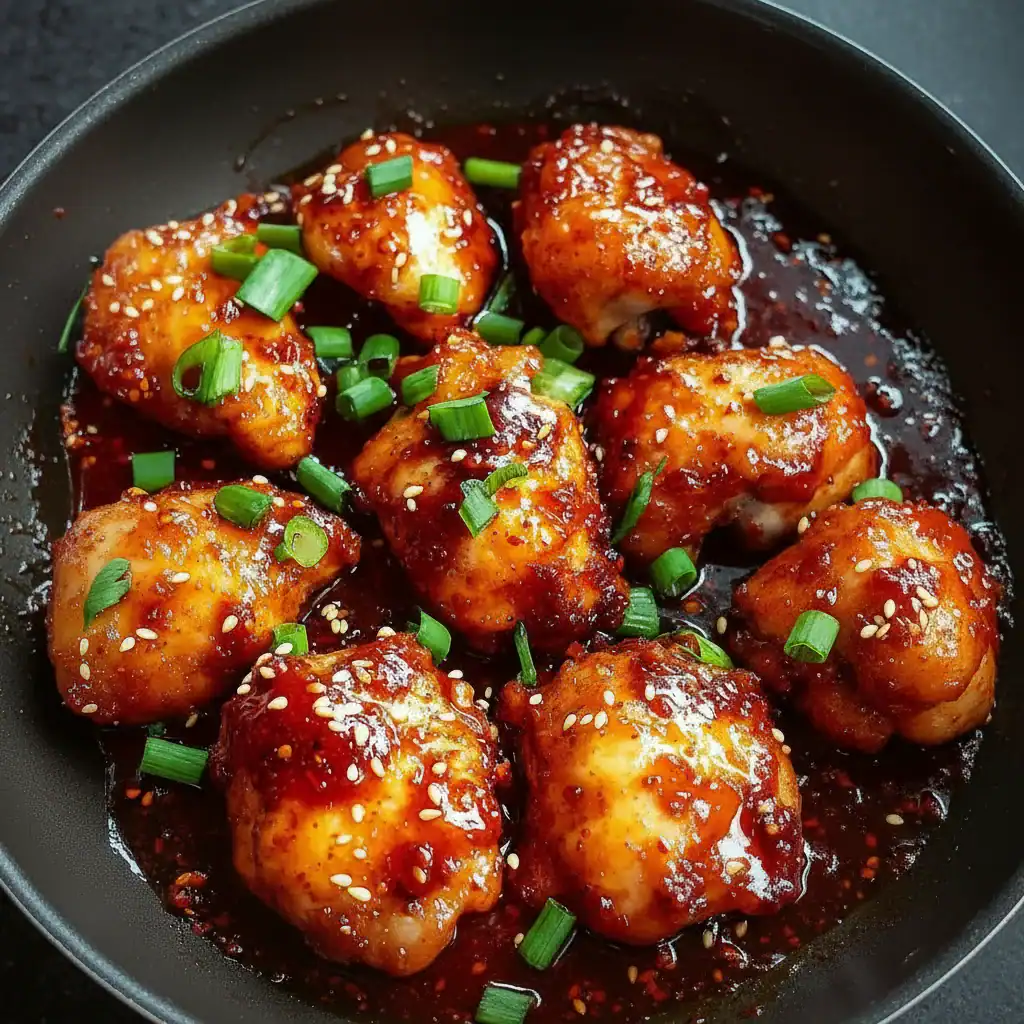
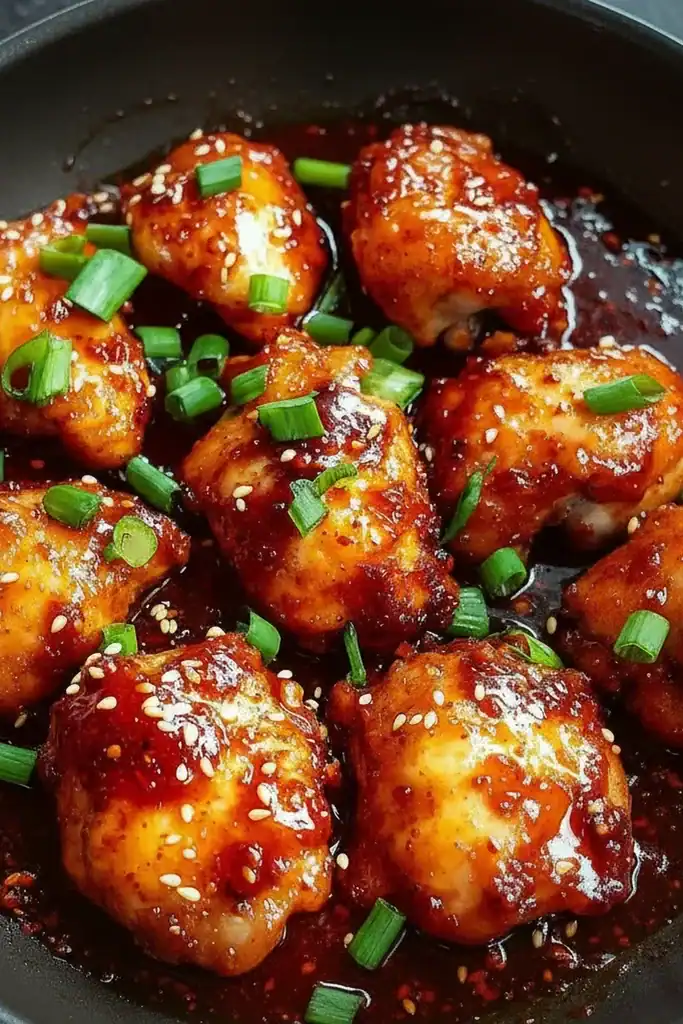
There are some dishes that just stick with you, the kind you find yourself daydreaming about long after the last bite. For me, this Korean Sweet Spicy Chicken is one of them. It’s all about that incredible contrast: the shatteringly crisp coating on the chicken giving way to tender, juicy meat, all enveloped in a glossy, fiery, and deeply savoury sauce. The magic lies in the balance of flavours – the fermented heat from the gochujang, the subtle sweetness from honey, the tang of vinegar, and the nutty aroma of sesame. It’s a truly satisfying combination that hits all the right notes.
I first fell in love with this style of chicken at a bustling market stall in Seoul, and I’ve spent years getting my home version just right. This recipe is the culmination of that effort, a method that guarantees that signature crunch every single time. It’s the kind of meal we make for a special Friday night in, turning the music up and enjoying the process. This isn’t just another spicy chicken recipe; it’s an experience. It’s ideal for anyone who adores bold Asian flavours and isn’t afraid of a little heat, creating a memorable dinner that always gets compliments.
Recipe Overview
This Korean Sweet Spicy Chicken recipe focuses on achieving two key things: an incredibly crispy chicken coating and a perfectly balanced, vibrant sauce that clings to every piece. The flavour is a delightful push-and-pull between the deep, savoury spice of gochujang and the gentle sweetness of honey, rounded out with garlic, ginger, and sesame. My personal testing revealed that the double-frying method is non-negotiable; it’s the secret to a coating that stays crisp even after being tossed in the sauce.
- Prep Time: 20 minutes
- Cook Time: 25 minutes
- Total Time: 45 minutes
- Servings: 4 people
- Difficulty: Medium
Why You’ll Love This Korean Sweet Spicy Chicken Recipe
- Genuine Flavour: We’re using authentic ingredients to build layers of taste. The star is gochujang, a Korean chilli paste that provides a complex, fermented heat that’s unlike any other. This is balanced with soy sauce for saltiness, rice vinegar for a bright tang, and a touch of honey for a lovely, sticky sweetness.
- Ready in Under an Hour: From dicing the chicken to serving it up, this entire dish comes together in about 45 minutes, making it a fantastic option for a weekend meal that feels special without taking all day.
- Flexible Recipe: You are in complete control of the spice level. Love it fiery? Add a little more gochujang or a pinch of gochugaru (Korean chilli flakes). Prefer it milder? Simply scale the gochujang back. It works just as well with chicken thighs as it does with breast.
- Great for Sharing: This dish works beautifully for a casual dinner with friends. Place a large bowl in the centre of the table with some rice and let everyone dig in. It has a fun, communal feel.
- Family Tested: My family adores this recipe; it disappears so quickly whenever I make it. It’s a fun alternative to our usual weeknight dinners, much like my popular Cheeseburger Lasagna Recipe.
Ingredients You’ll Need
For the best results, try to find authentic Korean ingredients at a local Asian supermarket or online. I find that using a good quality gochujang, like one from the brand O’Food or Chung Jung One, makes a real difference to the depth of flavour. It has a much richer, more complex taste than some generic supermarket versions.
- For the Chicken:
- 700g boneless, skinless chicken breasts (or thighs), cut into 2-3 cm cubes
- 100g potato starch (or cornflour)
- 1 tsp fine sea salt
- 1 tsp black pepper
- 1 tsp garlic powder
- Approx. 1 litre neutral oil for frying (like rapeseed or sunflower oil)
- For the Sweet & Spicy Sauce:
- 4 tbsp gochujang (Korean chilli paste)
- 3 tbsp honey (or rice syrup)
- 3 tbsp soy sauce (I use Kikkoman)
- 2 tbsp rice vinegar
- 4 cloves garlic, minced
- 1 tbsp fresh ginger, grated
- 1 tsp sesame oil
- For Garnish:
- 1 tbsp toasted sesame seeds
- 2 spring onions, finely sliced
Sophia’s Tip: Potato starch is my secret weapon for an unbelievably light and crispy coating that stays crunchy. While cornflour works as a substitute, potato starch creates a superior, less dense texture. It’s a game-changer for this style of fried chicken.
How to Make Korean Sweet Spicy Chicken
The process is straightforward and can be broken down into two main stages: frying the chicken to golden, crispy perfection and then creating the addictive, glossy sauce to coat it in.
- Prepare the Chicken: Pat your chicken cubes completely dry with paper towels – this is crucial for a crispy finish. In a large bowl, whisk together the potato starch, salt, black pepper, and garlic powder. Add the chicken pieces and toss thoroughly until every cube is evenly and generously coated.
- Heat the Oil: Pour the oil into a large, heavy-bottomed pot or Dutch oven until it’s about 5 cm deep. Heat the oil over a medium-high heat until it reaches 175°C (350°F). A kitchen thermometer is your best friend here for accuracy.
- First Fry: Carefully add half of the coated chicken to the hot oil, ensuring you don’t overcrowd the pan. Fry for 5-7 minutes, turning occasionally, until the chicken is cooked through and a pale golden colour. Remove with a slotted spoon and let it drain on a wire rack. Repeat with the remaining chicken.
- Make the Sauce: While the chicken is resting, combine all the sauce ingredients – gochujang, honey, soy sauce, rice vinegar, minced garlic, grated ginger, and sesame oil – in a small saucepan. Whisk together and bring to a gentle simmer over a medium-low heat. Cook for 3-4 minutes, stirring constantly, until the sauce has thickened slightly and looks glossy. What works best for me is cooking it until it can just coat the back of a spoon. Remove from the heat and set aside.
- Second Fry for Extra Crispiness: Increase the oil temperature to 190°C (375°F). Return the fried chicken to the hot oil, again in two batches, and fry for another 2-3 minutes until it’s a deep golden brown and wonderfully crisp. This second fry drives out extra moisture and creates that signature crunch.
- Coat and Serve: Remove the chicken from the oil and drain it briefly on the wire rack. Place the hot, crispy chicken into a large, clean bowl. Pour the warm sauce over the top and toss gently but quickly until every piece is beautifully coated.
- Garnish and Enjoy Immediately: Transfer the saucy chicken to a serving platter. Garnish generously with toasted sesame seeds and sliced spring onions. Serve straight away for the best texture.
Tips From My Kitchen
- Temperature Control is Key: The most common issue with frying is incorrect oil temperature. Use a thermometer. If the oil is too cool, the chicken will absorb it and become greasy. If it’s too hot, the coating will burn before the inside is cooked.
- The Secret is the Double Fry: I learned that the double-frying technique, a cornerstone of Korean fried chicken, is what creates that signature shatteringly crisp texture. The first fry cooks the chicken, and the second, higher-temperature fry makes it incredibly crunchy. You can read more about the science behind it on sites like Serious Eats.
- Make-Ahead Prep: You can prepare the sauce up to 3 days in advance and keep it in an airtight container in the fridge. This makes assembly much faster on the day. The chicken, however, is definitely best fried just before you plan to eat.
- Storage and Reheating: Leftovers can be stored in the fridge for up to 2 days. The chicken will lose its crispness. The best way to reheat it is in an air fryer at 190°C for 5-6 minutes or on a baking tray in a hot oven to help revive some of that crunch.
Common Mistakes to Avoid
- Overcrowding the Pan: Tipping all the chicken in at once is a recipe for disappointment. It drastically lowers the oil temperature, causing the chicken to steam rather than fry. You’ll end up with a soggy, oily coating. Always fry in at least two batches.
- Guessing the Temperature: Without a thermometer, it’s very difficult to maintain the correct temperatures for both fries (175°C and 190°C). Investing in a simple digital thermometer will vastly improve your frying results.
- Skipping the Rest Between Fries: That 5-10 minute rest on the wire rack after the first fry is important. It allows the chicken’s surface to cool and moisture to escape, setting the stage for an ultra-crispy second fry.
Delicious Variations to Try
Once you’ve mastered the basic recipe, it’s fun to play around with it. This dish is wonderfully adaptable to different tastes and dietary needs.
- Extra Spicy Version: For a more intense heat, add 1-2 teaspoons of gochugaru (Korean red pepper flakes) to the sauce along with the gochujang. This adds a clean, sharp spice.
- Vegetarian/Vegan Option: This method works brilliantly with extra-firm tofu. Press the tofu well to remove excess water, cube it, coat it in the potato starch mixture, and double-fry as you would the chicken. For the sauce, simply swap the honey for maple syrup or agave nectar.
- Different Protein: If you’re a fan of different textures, try this with pork belly, cut into bite-sized pieces. You could also try another chicken recipe with a similar flavour profile like my Bang Bang Chicken Thighs for inspiration.
What to Serve With Korean Sweet Spicy Chicken
The bold flavours of the chicken are best paired with simple, clean-tasting sides that provide a nice contrast.
- Steamed Short-Grain Rice: This is the classic pairing. Its neutral, slightly sticky texture is perfect for soaking up any extra sauce and balancing the dish’s intensity.
- Quick Pickled Cucumber or Radish: A small bowl of thinly sliced cucumber or daikon radish lightly pickled in rice vinegar and sugar provides a fantastic, crisp and tangy counterpoint that cleanses the palate.
- A Cold, Crisp Beer: A light Asian lager like a Cass or Hite is the traditional and perfect beverage pairing. The bubbles and crispness cut right through the richness of the fried chicken.
Frequently Asked Questions
Korean Sweet Spicy Chicken
Ingredients
Method
- Prepare the Chicken: Pat your chicken cubes completely dry with paper towels – this is crucial for a crispy finish. In a large bowl, whisk together the potato starch, salt, black pepper, and garlic powder. Add the chicken pieces and toss thoroughly until every cube is evenly and generously coated.
- Heat the Oil: Pour the oil into a large, heavy-bottomed pot or Dutch oven until it's about 5 cm deep. Heat the oil over a medium-high heat until it reaches 175°C (350°F). A kitchen thermometer is your best friend here for accuracy.
- First Fry: Carefully add half of the coated chicken to the hot oil, ensuring you don't overcrowd the pan. Fry for 5-7 minutes, turning occasionally, until the chicken is cooked through and a pale golden colour. Remove with a slotted spoon and let it drain on a wire rack. Repeat with the remaining chicken.
- Make the Sauce: While the chicken is resting, combine all the sauce ingredients – gochujang, honey, soy sauce, rice vinegar, minced garlic, grated ginger, and sesame oil – in a small saucepan. Whisk together and bring to a gentle simmer over a medium-low heat. Cook for 3-4 minutes, stirring constantly, until the sauce has thickened slightly and looks glossy. What works best for me is cooking it until it can just coat the back of a spoon. Remove from the heat and set aside.
- Second Fry for Extra Crispiness: Increase the oil temperature to 190°C (375°F). Return the fried chicken to the hot oil, again in two batches, and fry for another 2-3 minutes until it's a deep golden brown and wonderfully crisp. This second fry drives out extra moisture and creates that signature crunch.
- Coat and Serve: Remove the chicken from the oil and drain it briefly on the wire rack. Place the hot, crispy chicken into a large, clean bowl. Pour the warm sauce over the top and toss gently but quickly until every piece is beautifully coated.
- Garnish and Enjoy Immediately: Transfer the saucy chicken to a serving platter. Garnish generously with toasted sesame seeds and sliced spring onions. Serve straight away for the best texture.
Notes
I really hope you give this Korean Sweet Spicy Chicken recipe a go. It’s one of those dishes that brings so much energy and excitement to my dinner table, and it’s so rewarding to make from scratch. It’s the perfect main course to follow with a light dessert like my Peach Crumb Cheesecake. I’d love to hear how you get on, so please leave a comment below and let me know what you think! Happy cooking, Sophia.