Nigerian Chicken Stew Recipe – Bold Tomato and Pepper Sauce
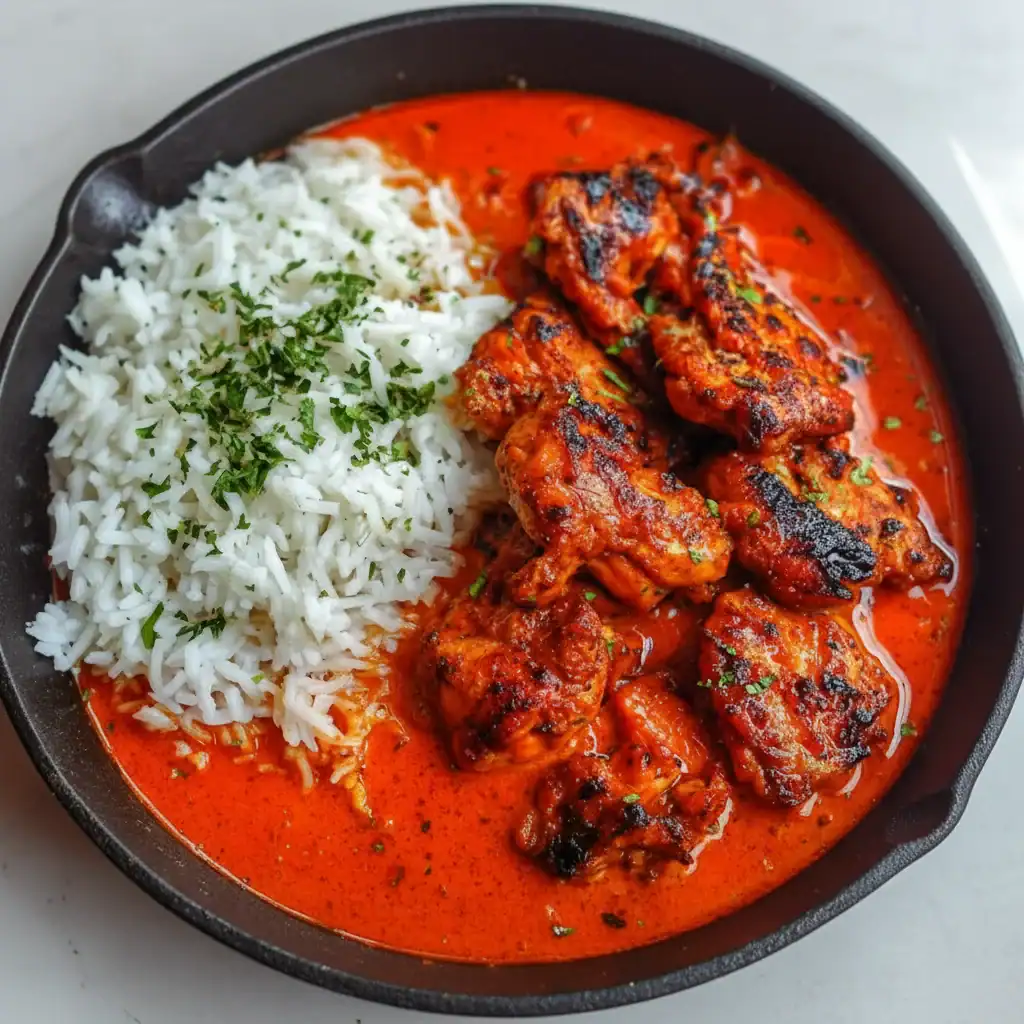
There is something truly special about a pot of Nigerian Chicken Stew simmering on the stove. The entire house fills with a rich, complex aroma of caramelised tomatoes, fragrant spices, and savoury chicken. It’s a scent that promises warmth, depth, and a genuinely satisfying meal. This isn’t just any tomato stew; it’s a foundational dish in Nigerian cooking, a vibrant, deep-red sauce that serves as the heart of so many meals. My kids absolutely devour this every time I make it, and seeing their clean plates is one of the most rewarding parts of my day.
What makes this Nigerian stew recipe stand out is the technique. It’s not about just throwing everything into a pot. We take the time to build layers of flavour, starting by frying the chicken to get a gorgeous golden crust, then creating a silky, concentrated pepper and tomato base known as Obe Ata. This process of frying the pepper base is the secret to removing any hint of tanginess, leaving behind a mellow, sweet, and deeply savoury sauce. The final stew is velvety, rich, and clings beautifully to every piece of tender chicken.
This African chicken stew is ideal for a Sunday family dinner, where it can be ladled generously over fluffy white rice, or for batch-cooking to ensure you have delicious, wholesome meals ready for the week ahead. It’s a recipe that feels like a hug in a bowl, and one that always gets compliments when I serve it to friends.
Recipe Overview
This Nigerian Chicken Stew recipe guides you through creating a rich, flavourful tomato and pepper stew with tender, bone-in chicken pieces. The flavour profile is savoury and robust, with a gentle, warming heat from the spices and scotch bonnet, balanced by the sweetness of slow-cooked tomatoes and bell peppers. I’ve found that taking the time to properly fry down the pepper base is non-negotiable; it’s what gives the stew its signature deep flavour and colour.
- Prep Time: 25 minutes
- Cook Time: 1 hour 30 minutes
- Total Time: 1 hour 55 minutes
- Servings: 6 people
- Difficulty: Medium
Why You’ll Love This Nigerian Chicken Stew Recipe
- Genuine Flavour: This recipe delivers an authentic taste. The combination of sweet red bell peppers, ripe tomatoes, and a fiery scotch bonnet creates a base that is both fragrant and profound. The curry powder, thyme, and bay leaves add aromatic layers that make it truly memorable.
- Rich Flavour in Under 2 Hours: While it takes time to simmer and develop its character, the active cooking part is straightforward. The majority of the time is hands-off, letting the stove do the work of melding all those wonderful flavours together.
- Flexible Recipe: You can easily adapt this stew to your liking. Prefer boneless chicken? Use skinless, boneless thighs. Want more heat? Add an extra scotch bonnet pepper. You can even use turkey or beef instead of chicken for a different take on this classic nigerian stew.
- Great for Meal Prep: This dish is fantastic for making ahead. The flavours actually deepen and improve overnight, making it a brilliant option for weekday lunches or dinners. It freezes beautifully, too.
- Family Tested: This recipe has been a staple in my kitchen for years. It’s one of those dishes that everyone seems to love, from the little ones to the grown-ups. If you’re looking for other chicken dishes the whole family will enjoy, my Bacon Brown Sugar Chicken Tenders are always a hit.
Ingredients You’ll Need
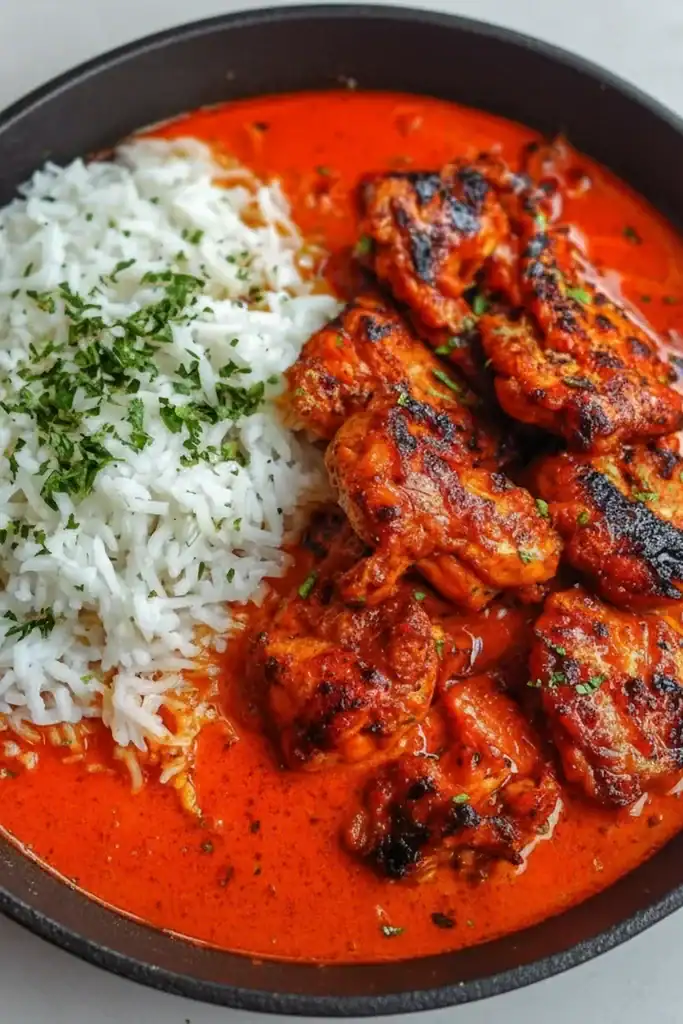
The heart of this stew is the pepper base, so using fresh, vibrant produce is key. I always opt for ripe, red bell peppers (known as Tatashe in Nigeria) and sweet, plum tomatoes. For tinned tomatoes, I find that a quality brand like Mutti or Cirio gives a less acidic, richer result. Here’s everything we’ll need:
- For the Chicken:
- 1.5kg chicken pieces, on the bone (a mix of thighs and drumsticks works well)
- 1 teaspoon salt
- 1/2 teaspoon black pepper
- 1 teaspoon dried thyme
- 1 teaspoon curry powder
- 250ml vegetable or sunflower oil, for frying
- For the Stew Base (Obe Ata):
- 4 large red bell peppers (about 800g), deseeded and roughly chopped
- 1-2 scotch bonnet peppers (to taste), stems removed
- 400g tin of good-quality plum tomatoes
- 2 large onions (about 400g), 1.5 chopped for blending, 0.5 finely sliced for frying
- 100g tomato purée (double concentrate)
- 4 cloves garlic, peeled
- 2 cm piece of fresh ginger, peeled
- For Simmering:
- 2 bay leaves
- 1 teaspoon dried thyme
- 1 teaspoon curry powder
- 500ml chicken stock (low sodium is best)
- Salt and black pepper to taste
Sara’s Tip: For the deepest flavour, I always use chicken on the bone. The bones release so much richness and collagen into the stew as it simmers, creating a sauce with a much better body and taste than you’d get from boneless cuts alone.
How to Make Nigerian Chicken Stew Recipe
The process for this African chicken stew involves three key stages: preparing the chicken, creating the rich pepper base, and then simmering everything together until the flavours are deep and married. Don’t rush the stage where you fry the pepper base; it’s the most important part!
- Prepare and Fry the Chicken: Pat the chicken pieces dry with a paper towel. In a large bowl, season them generously with 1 tsp salt, 1/2 tsp black pepper, 1 tsp thyme, and 1 tsp curry powder. Toss well to coat. Heat the 250ml of oil in a large, heavy-bottomed pot or Dutch oven over medium-high heat. Carefully place the chicken pieces in the hot oil (in batches if needed to avoid overcrowding) and fry for 4-5 minutes on each side, until they are golden brown. You are not cooking them through, just browning them. Remove the chicken with a slotted spoon and set aside on a plate.
- Sauté the Onions: Reduce the heat to medium. Add the finely sliced half-onion to the same pot with the flavourful oil. Sauté for 5-7 minutes, stirring occasionally, until softened and translucent.
- Create the Pepper Blend: While the onions are sautéing, place the chopped red bell peppers, scotch bonnet peppers, the remaining 1.5 chopped onions, tinned tomatoes, garlic, and ginger into a high-powered blender. Blend until you have a smooth, vibrant purée.
- Fry the Stew Base: Pour the blended pepper mixture into the pot with the sautéed onions. Be careful as it may splutter. Stir well and bring to a simmer. Cook, uncovered, over medium heat for 20-25 minutes, stirring frequently to prevent it from sticking to the bottom. The goal here is to cook off the excess water. You’ll see the mixture thicken considerably and deepen in colour.
- Deepen the Flavour: Add the tomato purée to the pot. Stir it in and continue to cook for another 10-15 minutes. What works best for me is to keep stirring until the base is very thick, a deep red, and you can see the oil starting to separate from the pepper paste and pool at the edges. This step is crucial for developing that rich, non-acidic flavour.
- Add Spices: Stir in the remaining 1 tsp of dried thyme, 1 tsp of curry powder, and the bay leaves. Cook for another 2 minutes until the spices are fragrant.
- Simmer the Stew: Return the browned chicken pieces to the pot. Pour in the chicken stock and stir everything together gently. Bring the stew to a gentle simmer, then reduce the heat to low, cover the pot with a lid, and let it cook for 45-60 minutes. The chicken should be completely tender and cooked through, and the sauce should be rich and glossy.
- Final Seasoning: After simmering, give the stew a final stir. Taste it and adjust the seasoning with salt and pepper as needed. Remove the bay leaves before serving.
Tips From My Kitchen
- Temperature Control: Once the chicken and stock are in, maintain a very low simmer. Cooking it too aggressively can make the chicken tough and cause the bottom of the stew to catch and burn. A gentle bubble is all you need.
- The Secret Step: I learned that frying the blended pepper base is what separates a good Nigerian stew from a great one. Don’t be tempted to skip or shorten this step. You are looking for a visual cue: the oil you started with will literally begin to separate from the paste and create a shimmering layer on top. This indicates the water content has reduced and the flavours have concentrated beautifully.
- Make-Ahead: The entire stew can be made up to 3 days in advance. In fact, it tastes even better the next day as the flavours have more time to mingle. Simply reheat gently on the stove. You can also make just the pepper base ahead of time and store it in the fridge for up to 4 days.
- Storage: Allow the stew to cool completely before storing. It will keep in an airtight container in the refrigerator for up to 4 days. For longer storage, freeze it in portions for up to 3 months. For food safety guidance on handling chicken, the Food Standards Agency provides excellent information.
Equipment You’ll Need
- Large stockpot or Dutch oven
- High-powered blender
- Slotted spoon
- Sharp knife and cutting board
What to Serve With Nigerian Chicken Stew Recipe
This versatile stew pairs wonderfully with a variety of sides. The goal is usually to serve it with something that can soak up all of that incredible sauce.
- Fluffy White Rice: This is the classic, go-to pairing. The neutral flavour and soft texture of boiled or steamed long-grain rice is the perfect canvas for the rich stew.
- Fried Plantain (Dodo): The sweet, caramelised edges of fried ripe plantain provide a beautiful contrast to the savoury and slightly spicy stew. It’s a combination that is simply divine.
- Pounded Yam or Eba: For a truly traditional experience, serve the stew with a starchy “swallow” food like pounded yam or Eba (made from cassava flour). This is a staple of Nigerian cuisine.
- Simple Dessert: After such a rich main, a light dessert works best. My Peach Crumb Cheesecake offers a fruity, creamy finish to the meal.
Frequently Asked Questions
Nigerian Chicken Stew Recipe
Ingredients
Method
- Prepare and Fry the Chicken: Pat the chicken pieces dry with a paper towel. In a large bowl, season them generously with 1 tsp salt, 1/2 tsp black pepper, 1 tsp thyme, and 1 tsp curry powder. Toss well to coat. Heat the 250ml of oil in a large, heavy-bottomed pot or Dutch oven over medium-high heat. Carefully place the chicken pieces in the hot oil (in batches if needed to avoid overcrowding) and fry for 4-5 minutes on each side, until they are golden brown. You are not cooking them through, just browning them. Remove the chicken with a slotted spoon and set aside on a plate.
- Sauté the Onions: Reduce the heat to medium. Add the finely sliced half-onion to the same pot with the flavourful oil. Sauté for 5-7 minutes, stirring occasionally, until softened and translucent.
- Create the Pepper Blend: While the onions are sautéing, place the chopped red bell peppers, scotch bonnet peppers, the remaining 1.5 chopped onions, tinned tomatoes, garlic, and ginger into a high-powered blender. Blend until you have a smooth, vibrant purée.
- Fry the Stew Base: Pour the blended pepper mixture into the pot with the sautéed onions. Be careful as it may splutter. Stir well and bring to a simmer. Cook, uncovered, over medium heat for 20-25 minutes, stirring frequently to prevent it from sticking to the bottom. The goal here is to cook off the excess water. You'll see the mixture thicken considerably and deepen in colour.
- Deepen the Flavour: Add the tomato purée to the pot. Stir it in and continue to cook for another 10-15 minutes. What works best for me is to keep stirring until the base is very thick, a deep red, and you can see the oil starting to separate from the pepper paste and pool at the edges. This step is crucial for developing that rich, non-acidic flavour.
- Add Spices: Stir in the remaining 1 tsp of dried thyme, 1 tsp of curry powder, and the bay leaves. Cook for another 2 minutes until the spices are fragrant.
- Simmer the Stew: Return the browned chicken pieces to the pot. Pour in the chicken stock and stir everything together gently. Bring the stew to a gentle simmer, then reduce the heat to low, cover the pot with a lid, and let it cook for 45-60 minutes. The chicken should be completely tender and cooked through, and the sauce should be rich and glossy.
- Final Seasoning: After simmering, give the stew a final stir. Taste it and adjust the seasoning with salt and pepper as needed. Remove the bay leaves before serving.
Notes
I truly hope you enjoy making this Nigerian Chicken Stew. It’s a recipe filled with warmth, heritage, and incredible flavour that has brought so much joy to my own dinner table. The process is rewarding, and the result is a deeply satisfying meal that feels both special and comforting. From my kitchen to yours, Sara. I’d love to hear how it turns out for you – please leave a comment below!