Vibrant Sautéed Vegetables Side Dish
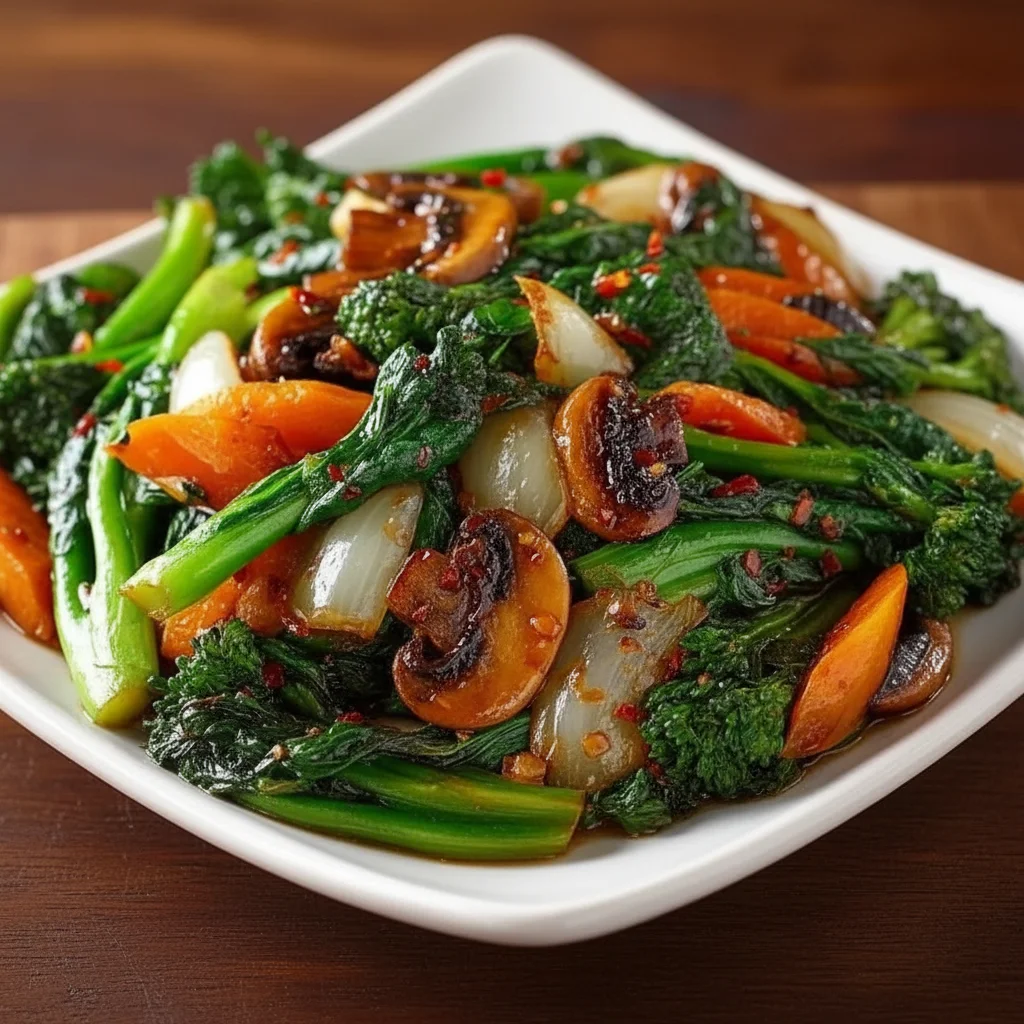
There’s something deeply satisfying about a pan full of perfectly cooked vegetables. Not boiled into submission or steamed into blandness, but properly sautéed until they’re tender-crisp, lightly caramelised at the edges, and singing with flavour. This method transforms a simple veggie side dish into the highlight of the meal. It’s a technique that, once you get the hang of it, you’ll return to time and time again for its reliability and delicious results. We’re not just cooking vegetables; we’re coaxing out their natural sweetness and texture.
This recipe for sautéed vegetables is my go-to for pretty much any occasion. I make this at least once a week – it’s become a family favourite. It’s the perfect accompaniment to a weeknight roast chicken, a lovely partner for grilled fish, or even the star of a light lunch when piled onto a slice of sourdough toast. What makes this particular combination so special is the balance: the earthy mushrooms, the sweet bite of the bell peppers, the slight bitterness of the broccoli, all brought together with a whisper of garlic, thyme, and a splash of white wine that makes an incredible pan sauce in seconds.
This isn’t about a rigid set of rules, but a flexible framework you can adapt to whatever you have in your fridge. It’s a foundational recipe that works beautifully for busy weeknights when you want something nourishing and flavourful on the table in under 30 minutes. It’s proof that a stunning vegetable side dish doesn’t need to be complicated, just thoughtfully prepared.
Recipe Overview
This recipe focuses on the technique of sautéing to achieve vegetables that are vibrant, flavourful, and have the ideal tender-crisp texture. The key is using a hot pan, not overcrowding it, and adding the vegetables in stages according to their cooking time. A final deglazing step with a splash of white wine or stock lifts all the caramelised bits from the pan, creating a light, savoury sauce that coats every piece. I’ve tested this with dozens of vegetable combinations, and this classic mix is always a winner.
- Prep Time: 15 minutes
- Cook Time: 15 minutes
- Total Time: 30 minutes
- Servings: 4 people
- Difficulty: Easy
Why You’ll Love This Sautéed Vegetables Recipe
- Genuine Flavour: We use high heat to encourage the Maillard reaction, which creates deeply savoury, nutty notes. The fresh garlic and thyme add an aromatic layer without overpowering the vegetables’ natural taste.
- Ready in 30 Minutes: From chopping board to dinner table, this veggie side dish comes together swiftly, making it ideal for those evenings when time is short but you still want a wholesome meal.
- Flexible Recipe: This method works with almost any vegetable. Swap the courgette for asparagus in the spring, or use diced butternut squash and kale in the autumn. A pinch of chilli flakes can add a lovely warmth.
- Great for Weeknight Dinners: This is the ultimate partner for simple main courses. It elevates a basic grilled chicken breast or a pork chop into a well-rounded, satisfying meal. It also pairs wonderfully with our Bang Bang Chicken Thighs for a meal with contrasting flavours.
- Family Tested: This is one of those rare dishes that pleases everyone. My kids absolutely devour this every time I make it, especially the caramelised carrots and broccoli.
Ingredients You’ll Need
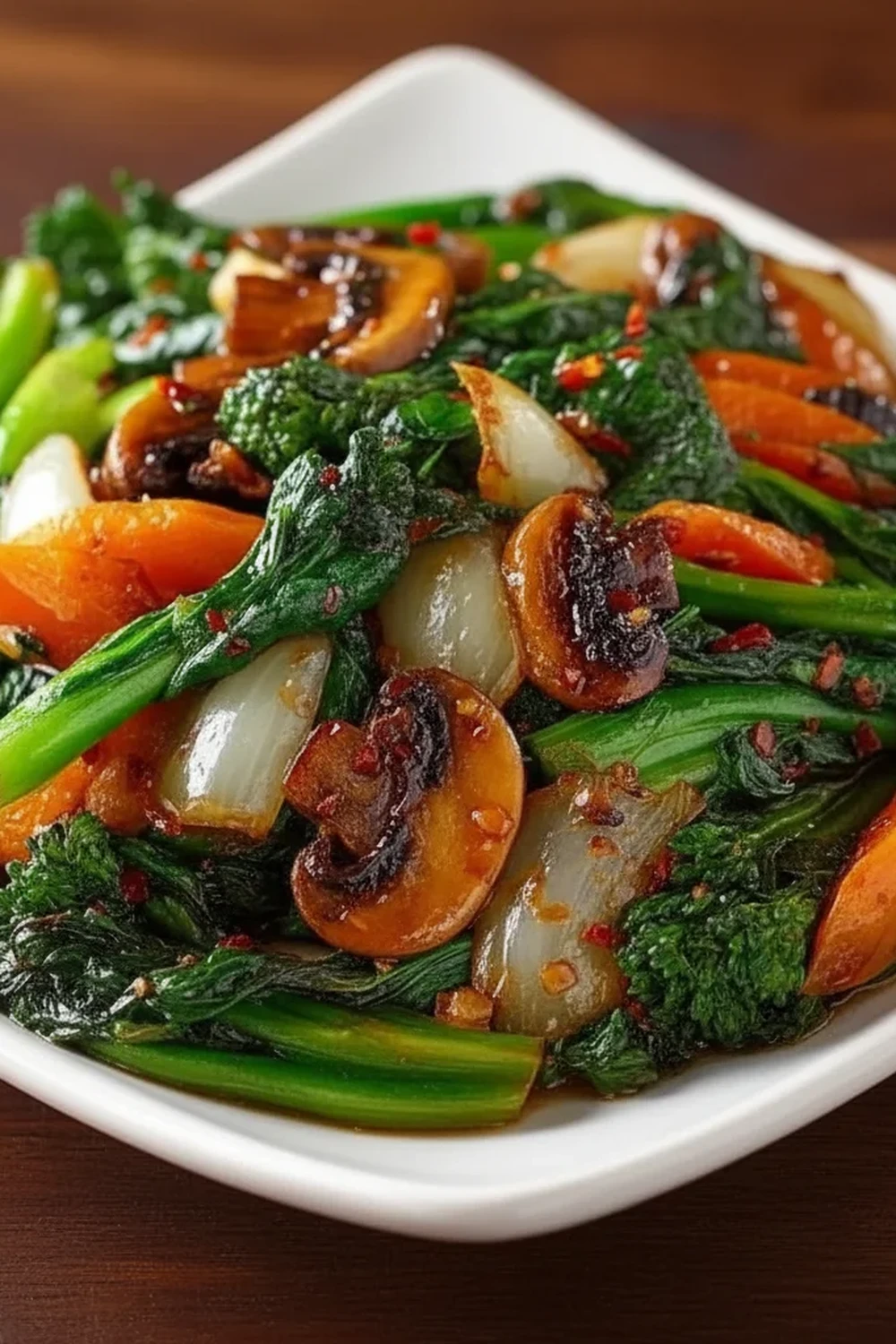
For the best sautéed vegetables, start with the freshest produce you can find. The quality of your ingredients will truly shine through. When it comes to olive oil, I prefer a light, good-quality extra virgin olive oil that won’t overpower the delicate flavours. A little splash of dry white wine at the end is my secret weapon, but vegetable stock works just as well.
- 2 tbsp extra virgin olive oil
- 1 large red onion, cut into 1-inch pieces
- 2 medium carrots, peeled and sliced into 1/4-inch thick rounds
- 250g broccoli, cut into small, bite-sized florets
- 1 red bell pepper, deseeded and cut into 1-inch squares
- 1 medium courgette, trimmed and sliced into 1/2-inch thick half-moons
- 200g chestnut mushrooms, wiped clean and halved (or quartered if large)
- 3 cloves garlic, thinly sliced
- 2-3 sprigs of fresh thyme
- 50ml dry white wine (like a Sauvignon Blanc) or vegetable stock
- 1/2 tsp flaky sea salt, or to taste
- 1/4 tsp freshly ground black pepper
- 2 tbsp fresh flat-leaf parsley, finely chopped
Sophia’s Tip: Don’t be tempted to salt the vegetables, especially the mushrooms, at the very beginning. Salt draws out moisture, which can cause the veg to steam in their own juices rather than browning. We add it right at the end to season them perfectly while maintaining that lovely seared texture.
How to Make Sautéed Vegetables
The process is straightforward. The key is to manage your pan temperature and add the ingredients in the right order. This ensures everything is perfectly cooked at the same time, with no mushy bits or undercooked pieces. Have all your vegetables chopped and ready to go before you even turn on the hob.
- Prep and Organise: First, prepare all your vegetables as described in the ingredients list. It’s helpful to group them by cooking time: the hard vegetables (carrots, broccoli) in one bowl, and the softer ones (onion, pepper, courgette, mushrooms) in another. Keep the garlic and thyme separate.
- Heat the Pan: Place a large, heavy-bottomed frying pan or skillet over a medium-high heat. Add the olive oil and allow it to heat up for a minute. You’ll know it’s ready when the oil shimmers slightly.
- Cook the Hard Vegetables: Carefully add the carrots and broccoli florets to the hot pan. Spread them in a single layer as much as possible. Sauté for 5-7 minutes, stirring only occasionally, until they begin to get tender and you see some nice browning on the edges.
- Add Softer Vegetables: Now add the red onion, bell pepper, and courgette to the pan. Continue to sauté, stirring a little more frequently, for another 4-5 minutes until they are tender-crisp.
- Brown the Mushrooms: Add the mushrooms to the pan. Cook for 3-4 minutes without stirring too much, allowing them to get some colour. Once they’ve browned nicely on one side, give everything a good stir.
- Add the Aromatics: What works best for me is to create a small space in the centre of the pan by pushing the vegetables to the sides. Add the sliced garlic and thyme sprigs to this space and cook for about 1 minute until the garlic is fragrant and lightly golden. Be careful not to let it burn. Then, stir it all together with the rest of the vegetables.
- Deglaze the Pan: Pour in the white wine or vegetable stock. It will sizzle and steam immediately. Use a wooden spoon or spatula to scrape up all the tasty brown bits (known as fond) from the bottom of the pan. Let the liquid bubble and reduce for about a minute, coating all the vegetables in a delicious glaze.
- Season and Serve: Remove the pan from the heat. Discard the woody thyme stems. Season generously with the sea salt and freshly ground black pepper. Stir through the freshly chopped parsley and serve immediately.
Tips From My Kitchen
- Temperature Control: A medium-high heat is crucial. If the heat is too low, the vegetables will slowly release their water and steam, resulting in a soft, drab texture. Too high, and they’ll burn on the outside before cooking through. Keep it hot enough that you hear a gentle sizzle throughout the cooking process.
- The Secret Step: Don’t skip the deglazing. I learned that this is what separates good sautéed veg from great ones. That small splash of liquid transforms the caramelised pan drippings into an instant, flavourful sauce that ties everything together. It’s a professional trick that’s incredibly effective at home.
- Make-Ahead: The biggest time-saver is prepping your vegetables in advance. You can chop everything (except the mushrooms, which can discolour) a day or two ahead. Store them in an airtight container in the refrigerator until you’re ready to cook.
- Storage: Leftovers are fantastic! Store them in an airtight container in the fridge for up to 3 days. They reheat well in a dry pan over a medium heat for a few minutes, or you can enjoy them cold in a salad.
Equipment You’ll Need
- Large frying pan or skillet (a 12-inch one is ideal to avoid crowding)
- Sharp chef’s knife and cutting board
- A couple of mixing bowls for organising your prepped veg
- Wooden spoon or heatproof spatula
Common Mistakes to Avoid
- Overcrowding the pan: This is the most common pitfall. If you pile too many vegetables into the pan at once, the temperature drops, and they will steam instead of sear. If your pan isn’t big enough, it’s far better to cook the vegetables in two separate batches and combine them at the end.
- Uneven Cooking Time: Tossing all the vegetables in at once will leave you with hard carrots and mushy courgettes. Always start with the densest, hardest vegetables (like carrots, broccoli, potatoes) and give them a head start before adding softer ones (like peppers, mushrooms, onions, courgettes).
- Salting Too Early: As mentioned in my tip, adding salt at the start draws out water and prevents browning. Always season your sautéed vegetables at the very end of the cooking process for the best texture and flavour control.
What to Serve With Sautéed Vegetables
This versatile veggie side dish complements a huge range of main courses. It’s all about balance. Here are a few of my favourite pairings:
- Roast Chicken or Pork: The savoury, fresh vegetables provide a wonderful contrast to the richness of roasted meats.
- Grilled Fish: Serve alongside a simple piece of grilled salmon or cod for a light, healthy, and complete meal.
- A Hearty Main: These veggies are an excellent counterpoint to a richer dish, like my popular Cheeseburger Lasagna Recipe, adding freshness and colour.
- Wine Pairing: A crisp, dry white wine like a Sauvignon Blanc or a Pinot Grigio works beautifully, echoing the wine used for deglazing the pan.
Frequently Asked Questions
Sautéed Vegetables
Ingredients
Method
- Prep and Organise: First, prepare all your vegetables as described in the ingredients list. It’s helpful to group them by cooking time: the hard vegetables (carrots, broccoli) in one bowl, and the softer ones (onion, pepper, courgette, mushrooms) in another. Keep the garlic and thyme separate.
- Heat the Pan: Place a large, heavy-bottomed frying pan or skillet over a medium-high heat. Add the olive oil and allow it to heat up for a minute. You’ll know it’s ready when the oil shimmers slightly.
- Cook the Hard Vegetables: Carefully add the carrots and broccoli florets to the hot pan. Spread them in a single layer as much as possible. Sauté for 5-7 minutes, stirring only occasionally, until they begin to get tender and you see some nice browning on the edges.
- Add Softer Vegetables: Now add the red onion, bell pepper, and courgette to the pan. Continue to sauté, stirring a little more frequently, for another 4-5 minutes until they are tender-crisp.
- Brown the Mushrooms: Add the mushrooms to the pan. Cook for 3-4 minutes without stirring too much, allowing them to get some colour. Once they've browned nicely on one side, give everything a good stir.
- Add the Aromatics: What works best for me is to create a small space in the centre of the pan by pushing the vegetables to the sides. Add the sliced garlic and thyme sprigs to this space and cook for about 1 minute until the garlic is fragrant and lightly golden. Be careful not to let it burn. Then, stir it all together with the rest of the vegetables.
- Deglaze the Pan: Pour in the white wine or vegetable stock. It will sizzle and steam immediately. Use a wooden spoon or spatula to scrape up all the tasty brown bits (known as fond) from the bottom of the pan. Let the liquid bubble and reduce for about a minute, coating all the vegetables in a delicious glaze.
- Season and Serve: Remove the pan from the heat. Discard the woody thyme stems. Season generously with the sea salt and freshly ground black pepper. Stir through the freshly chopped parsley and serve immediately.
Notes
I truly hope this becomes a staple recipe in your kitchen, just as it is in mine. It’s a reliable, delicious way to get more vegetables onto your plate and to fall in love with their true flavour. Once you master this simple technique, you’ll have a perfect veggie side dish for any meal. If you give these Sautéed Vegetables a try, please leave a comment below and let me know how you got on. I love hearing from you! Happy cooking, Sophia.