Creamy Scrambled Eggs Recipe
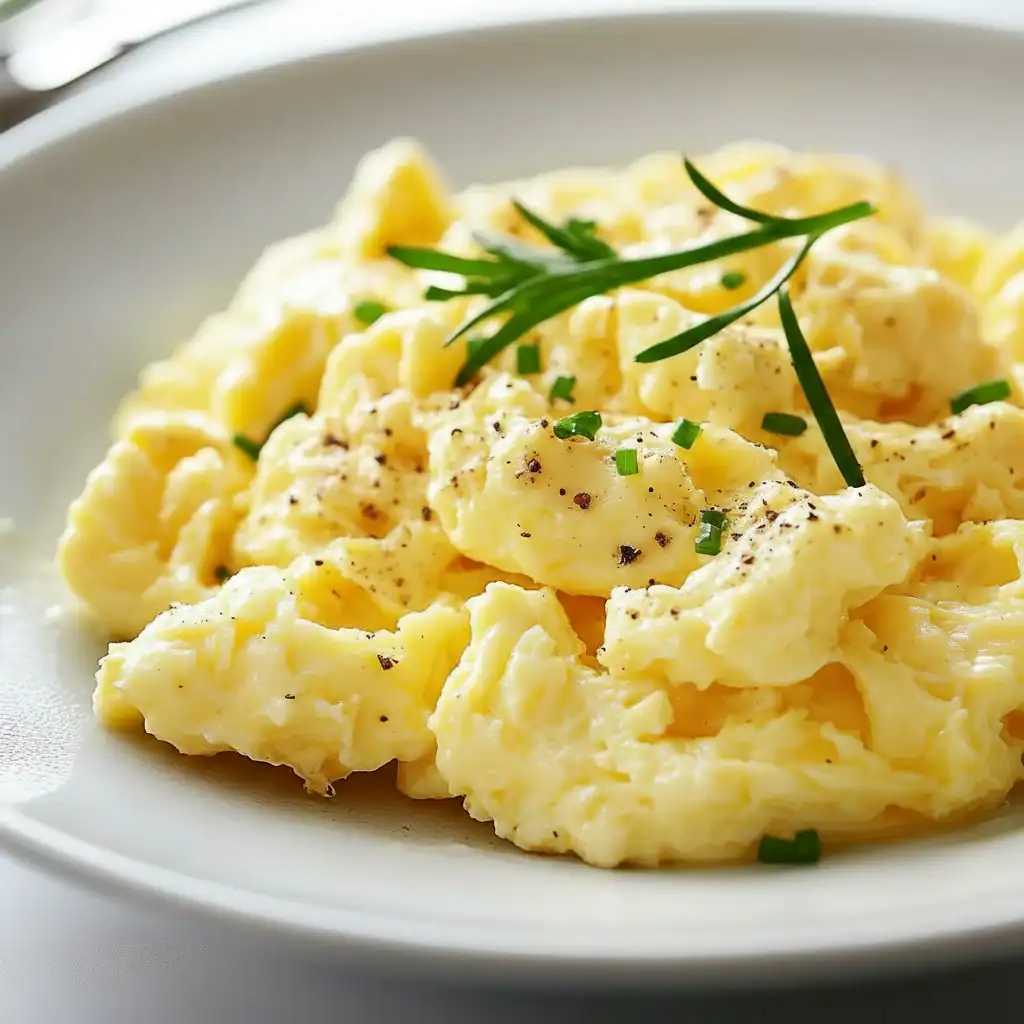
There is something profoundly satisfying about a plate of perfectly cooked scrambled eggs. Not the dry, rubbery kind we might remember from school canteens, but the luxuriously soft, custardy, and deeply flavourful eggs that feel like a warm hug on a plate. For years, I thought this kind of breakfast was reserved for fancy hotel buffets or brunch cafés. I used to struggle with this dish until I discovered this technique, which relies on patience and low heat to transform simple eggs into something truly special. It’s a method that turns a basic meal into a moment of pure culinary pleasure.
This creamy scrambled eggs recipe is my absolute go-to. It’s the one I make on slow Saturday mornings when the smell of coffee is drifting through the house, and the one I turn to for a quick yet nourishing supper after a long day. The secret isn’t a long list of complicated ingredients; it’s about how we treat a few very good ones. We gently coax the eggs into soft, pillowy curds, finishing them with a touch of crème fraîche and fresh chives. The result is a dish that is rich without being heavy, and wonderfully decadent.
It’s a recipe that works beautifully for a solo breakfast for one, but it scales up effortlessly when you have family or friends over for brunch. The technique is straightforward, and once you master the gentle heat and constant stirring, you’ll never look back. This is the recipe that proves simple, well-cooked food is often the most rewarding.
Recipe Overview
This recipe will guide you through creating the most tender, creamy scrambled eggs you’ve ever had. We focus on a low-and-slow cooking method that prevents the eggs from becoming tough, resulting in a smooth, custardy texture with small, delicate curds. During testing, I found that using a good quality, unsalted butter gives the richest flavour, far superior to any oil. Expect a final dish that’s savoury, buttery, and utterly divine.
- Prep Time: 5 minutes
- Cook Time: 8-10 minutes
- Total Time: 15 minutes
- Servings: 2 people
- Difficulty: Easy
Why You’ll Love This Creamy Scrambled Eggs Recipe
- Sublime Texture and Flavour: This isn’t just about eggs; it’s about the deep, savoury flavour of high-quality eggs enhanced by rich butter. The crème fraîche stirred in at the end adds a subtle, elegant tang and an unbelievably velvety finish.
- Ready in Under 15 Minutes: From cracking the eggs to sliding them onto a plate, this entire dish comes together swiftly, making it achievable even on a busy morning.
- A Wonderfully Flexible Base: While glorious on its own, this recipe is a blank canvas. You can fold in smoked salmon, top with sautéed mushrooms, or sprinkle with a different herb like dill or parsley.
- Ideal for a Relaxed Brunch: This is the sort of dish that makes a weekend morning feel special. It’s lovely for a quiet breakfast in the garden or as the centrepiece of a larger brunch spread. It also makes for a fantastic quick supper on toast.
- Always Gets Compliments: I’ve been making this for over 8 years, and it never disappoints. My family now specifically asks for “the creamy eggs,” and it’s a joy to see their faces when they take the first bite.
Ingredients You’ll Need
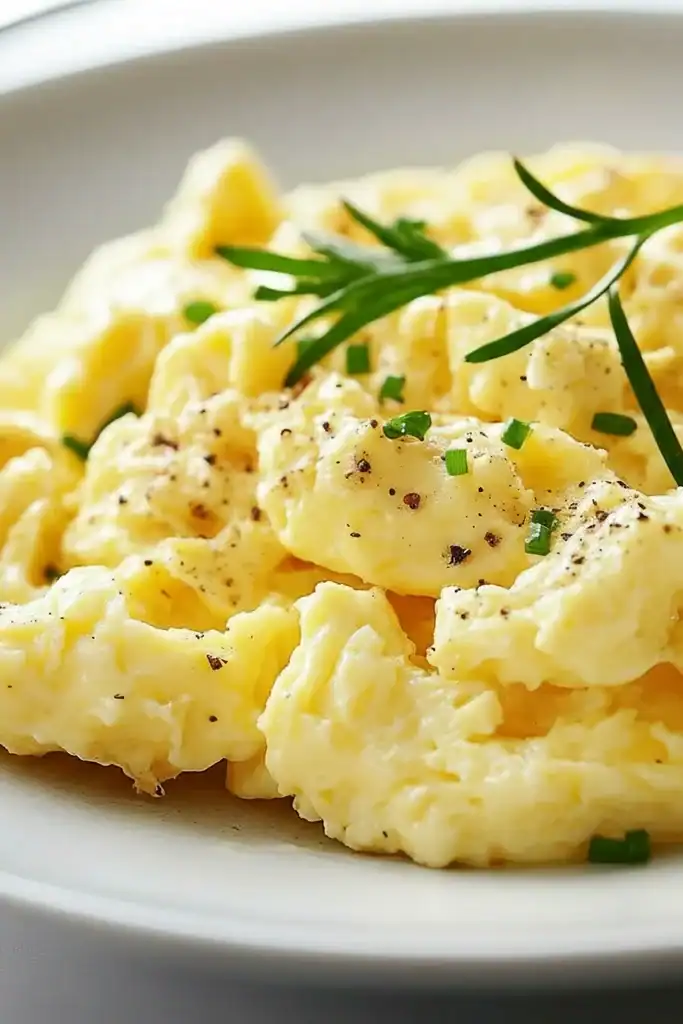
The beauty of this creamy scrambled eggs recipe lies in its simplicity, which means the quality of your ingredients truly shines. I always opt for large, free-range eggs with deep golden yolks, like Burford Browns, as they make a noticeable difference in both colour and flavour. For the butter, a good British unsalted block allows you to control the seasoning perfectly.
- 6 large free-range eggs, at room temperature
- 25g unsalted butter, cold and cubed
- 2 tbsp crème fraîche (full-fat is best) or double cream
- 1 tbsp fresh chives, finely chopped
- A pinch of fine sea salt
- Freshly ground black pepper, to taste
Sophia’s Tip: Using eggs that are at room temperature helps them cook more evenly and creates a more uniform, creamy texture. I take mine out of the fridge about 30 minutes before I plan to start cooking.
How to Make Creamy Scrambled Eggs
The key to this method is patience. We are going to cook the eggs very gently to form small, soft curds. Keep your heat low and your spatula moving. It’s a hands-on process, but the result is more than worth the few minutes of attention.
- Prepare the Eggs: Crack the 6 eggs into a medium-sized bowl. Add a pinch of salt and a few grinds of black pepper. Whisk them together thoroughly with a fork or a whisk for about 30-40 seconds, until the whites and yolks are completely combined and the mixture is one uniform colour with a slightly frothy top. Don’t add any milk or cream at this stage.
- Start with a Cold Pan: Place a non-stick frying pan over a low heat. It’s crucial that the pan is not pre-heated. Add the cubed, cold unsalted butter to the pan.
- Melt and Mix: As the butter begins to melt slowly, pour the whisked egg mixture into the pan. Use a silicone spatula or a wooden spoon to stir the eggs and butter together continuously.
- Cook Low and Slow: Keep the pan on the lowest possible heat setting. Continue to stir the eggs constantly, making slow figure-of-eight motions across the bottom of the pan. This prevents any part of the egg from catching and overcooking. What works best for me is to never stop moving the spatula.
- Watch for Curds: After about 4-5 minutes, you’ll notice the mixture starting to thicken and small, soft curds beginning to form. Keep stirring, scraping the sides and bottom of the pan. The goal is a texture that looks like a loose, creamy porridge.
- The Critical Moment: Continue cooking for another 2-3 minutes until the eggs are about 80% cooked. They should still look very soft, slightly wet, and have a gentle wobble. This is the most important step! Immediately remove the pan from the heat. The residual heat will continue to cook them.
- Add the Finishing Touches: Off the heat, gently stir in the 2 tablespoons of crème fraîche and most of the chopped chives. The cold crème fraîche not only adds a wonderful creamy tang but also helps to stop the cooking process right at the perfect point.
- Serve Immediately: Give the eggs a final gentle stir, taste, and adjust the seasoning with a little more salt and pepper if needed. Serve at once, garnished with the remaining chives.
Tips From My Kitchen
- Temperature Control is Everything: The single most important factor for creamy eggs is low, gentle heat. High heat causes the proteins in the eggs to seize up and squeeze out water, resulting in tough, watery curds. If your pan seems to be getting too hot, don’t be afraid to lift it off the heat for 10-20 seconds while you continue to stir.
- The Secret is When You Stop: I learned that the biggest mistake people make is overcooking. Eggs are delicate and cook incredibly quickly. Always, always take them off the heat when they look slightly underdone. They will set to perfection in the hot pan as you carry them to the plate.
- Prep, Don’t Make-Ahead: Scrambled eggs are one of those dishes that are truly best eaten the moment they are cooked. I wouldn’t recommend making them in advance. You can, however, have your chives chopped and your toast ready to go, so you can serve them immediately.
- Storage: On the rare occasion that we have leftovers, they can be stored in an airtight container in the fridge for up to 2 days. To reheat, do so gently in a non-stick pan over a very low heat with a tiny knob of butter, stirring until just warmed through. Avoid the microwave, as it tends to make them rubbery.
Equipment You’ll Need
You don’t need any fancy gadgets for this recipe, just a few kitchen staples that will help you achieve the best results.
- A good quality non-stick frying pan or skillet
- A small bowl for whisking the eggs
- A whisk or a fork
- A silicone spatula or wooden spoon (silicone is great for scraping the sides of the pan)
Delicious Variations to Try
Once you’ve mastered the basic technique, it’s fun to add your own personal touch. This recipe is a fantastic base for experimentation.
- A Little Heat: For a gentle kick, whisk a pinch of cayenne pepper or a few dashes of your favourite hot sauce into the eggs before cooking. Or, fold in some finely chopped fresh red chilli with the chives at the end.
- With Cheese: For an even more indulgent dish, stir in 30g of grated cheese off the heat, just after adding the crème fraîche. A nutty Gruyère, a strong mature cheddar, or creamy goat’s cheese all work wonderfully. The cheese gets gloriously melty in the residual heat.
- Add Some Greens: A handful of fresh baby spinach can be wilted into the eggs during the last minute of cooking for a boost of colour and nutrients.
What to Serve With Creamy Scrambled Eggs
These eggs are a star in their own right, but they also pair beautifully with a few classic accompaniments to create a more substantial meal.
- Toasted Sourdough: A thick slice of toasted, well-buttered sourdough is the classic and, in my opinion, the best partner. Its tangy flavour and robust texture are a perfect contrast to the soft eggs.
- Smoked Salmon: Drape a few slices of high-quality smoked salmon alongside the eggs for a truly luxurious brunch. A squeeze of lemon over the salmon brightens everything up.
- Roasted Tomatoes: Slow-roasted cherry tomatoes on the vine add a lovely sweetness and acidity that cuts through the richness of the eggs.
- A Morning Pick-Me-Up: A freshly brewed pot of strong coffee or a simple glass of chilled orange juice is all you need to complete this wonderful breakfast.
Frequently Asked Questions
Creamy Scrambled Eggs Recipe
Ingredients
Method
- Prepare the Eggs: Crack the 6 eggs into a medium-sized bowl. Add a pinch of salt and a few grinds of black pepper. Whisk them together thoroughly with a fork or a whisk for about 30-40 seconds, until the whites and yolks are completely combined and the mixture is one uniform colour with a slightly frothy top. Don't add any milk or cream at this stage.
- Start with a Cold Pan: Place a non-stick frying pan over a low heat. It’s crucial that the pan is not pre-heated. Add the cubed, cold unsalted butter to the pan.
- Melt and Mix: As the butter begins to melt slowly, pour the whisked egg mixture into the pan. Use a silicone spatula or a wooden spoon to stir the eggs and butter together continuously.
- Cook Low and Slow: Keep the pan on the lowest possible heat setting. Continue to stir the eggs constantly, making slow figure-of-eight motions across the bottom of the pan. This prevents any part of the egg from catching and overcooking. What works best for me is to never stop moving the spatula.
- Watch for Curds: After about 4-5 minutes, you'll notice the mixture starting to thicken and small, soft curds beginning to form. Keep stirring, scraping the sides and bottom of the pan. The goal is a texture that looks like a loose, creamy porridge.
- The Critical Moment: Continue cooking for another 2-3 minutes until the eggs are about 80% cooked. They should still look very soft, slightly wet, and have a gentle wobble. This is the most important step! Immediately remove the pan from the heat. The residual heat will continue to cook them.
- Add the Finishing Touches: Off the heat, gently stir in the 2 tablespoons of crème fraîche and most of the chopped chives. The cold crème fraîche not only adds a wonderful creamy tang but also helps to stop the cooking process right at the perfect point.
- Serve Immediately: Give the eggs a final gentle stir, taste, and adjust the seasoning with a little more salt and pepper if needed. Serve at once, garnished with the remaining chives.
Notes
I truly hope you give this creamy scrambled eggs recipe a try. It’s a small act of self-care that can elevate any morning and a technique that will serve you well for years to come. Once you taste the difference that a little patience makes, there’s no going back. If you are looking for other indulgent recipes, why not try my Biscoff Truffles for a sweet treat? Please let me know how you get on in the comments below – I love hearing from you! Happy cooking!
– Sophia