Pasta Primavera Recipe | Fresh Veggies
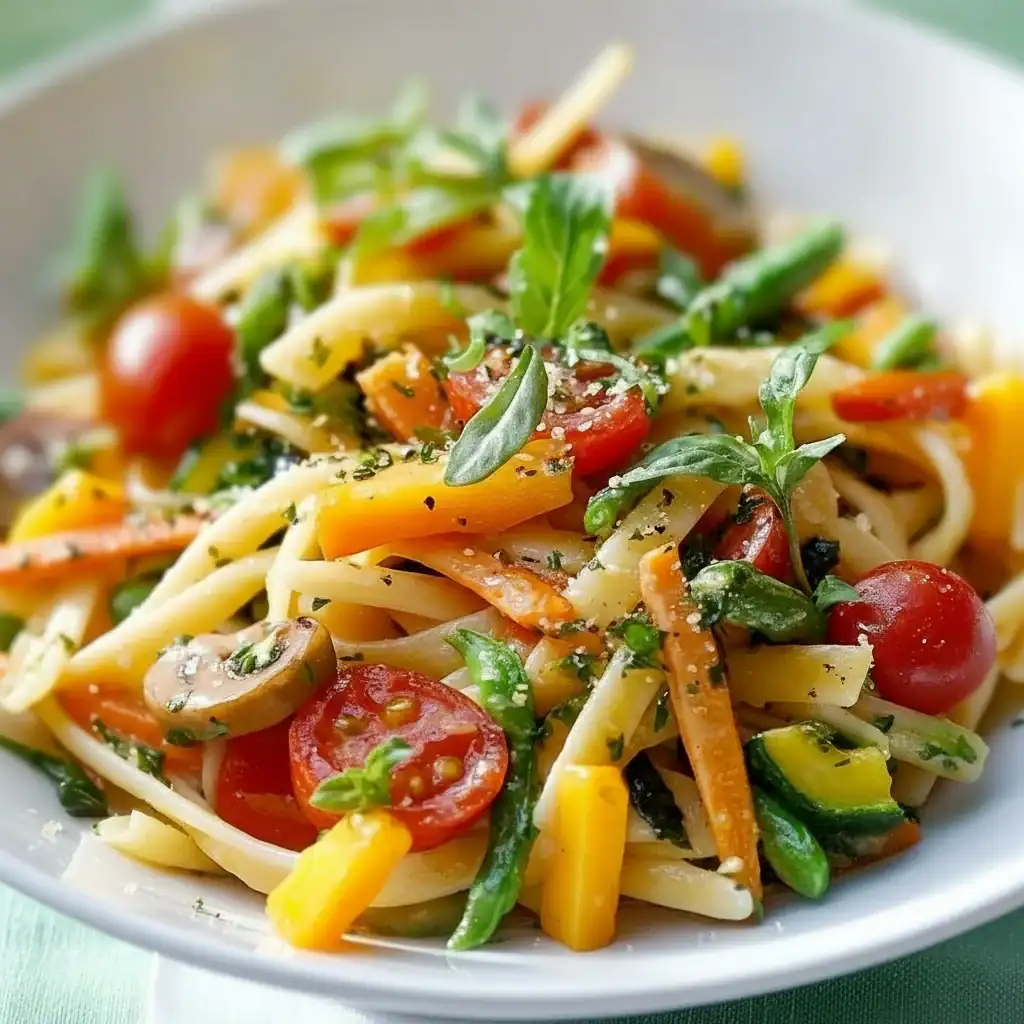
There comes a moment each spring when the farmers’ market stalls are suddenly brimming with tender asparagus spears, sweet peas, and vibrant green shoots. That’s the signal in my kitchen that it’s time for Pasta Primavera. This isn’t the heavy, cream-laden version you might find in restaurants; it’s a lighter, brighter dish that truly lets the fresh vegetables sing. My version uses a clever, glossy sauce made from starchy pasta water and Parmesan to coat every piece of pasta and vegetable beautifully.
This particular Pasta Primavera Recipe is the result of much delicious experimentation. After testing this recipe five times, I finally got it just right – achieving that perfect balance where the sauce is creamy without a drop of cream, and the vegetables are cooked to crisp-tender perfection. It’s the kind of veggie pasta that feels both wholesome and wonderfully satisfying, a real tribute to the season’s best produce.
It’s a meal that works beautifully for a quick weeknight dinner when you want something fresh and full of goodness, but it’s also elegant enough for a weekend lunch with friends. It’s a vegetarian dinner that even the most dedicated meat-eaters in my family request. We love how every forkful offers a different combination of textures and tastes – the sweet pop of a pea, the earthy bite of asparagus, and the savoury notes of garlic and cheese.
Recipe Overview
This Pasta Primavera recipe is all about fresh, crisp vegetables in a light yet luscious sauce. The flavour is bright and zesty from the lemon, deeply savoury from the Parmesan and garlic, and packed with green goodness. I found that creating the sauce directly in the pan with the pasta water is the key to getting a restaurant-quality finish without any heaviness. Expect a vibrant, satisfying bowl of pasta that comes together in about 30 minutes.
- Prep Time: 15 minutes
- Cook Time: 15 minutes
- Total Time: 30 minutes
- Servings: 4 people
- Difficulty: Easy
Why You’ll Love This Pasta Primavera Recipe
- Genuine Flavour: The sauce is the star here, but it plays a supporting role. It’s a light, glossy coating made from starchy pasta water, sharp Parmesan, fresh lemon zest, and a hint of garlic. It enhances the sweet peas and tender asparagus rather than masking them.
- Ready in 30 Minutes: From chopping the first vegetable to twirling the pasta on your fork, this entire dish comes together in around half an hour, making it ideal for busy evenings.
- Flexible Recipe: This recipe is a fantastic template. Don’t have asparagus? Use tenderstem broccoli or green beans. You can swap the courgette for yellow squash or add a handful of fresh spinach at the end. It’s a great way to use up whatever fresh veg you have in the fridge.
- Great for a Spring Lunch: This dish is wonderful for serving on a sunny weekend. It feels special and looks impressive, but it’s straightforward to make, leaving you more time to relax.
- Family Tested: This veggie pasta is one of those rare dishes that my whole family enjoys, from the kids to the grandparents. It always gets compliments, and while they also love heartier meals like my Cheeseburger Lasagna Recipe, this is our go-to for a lighter, brighter meal.
Ingredients You’ll Need
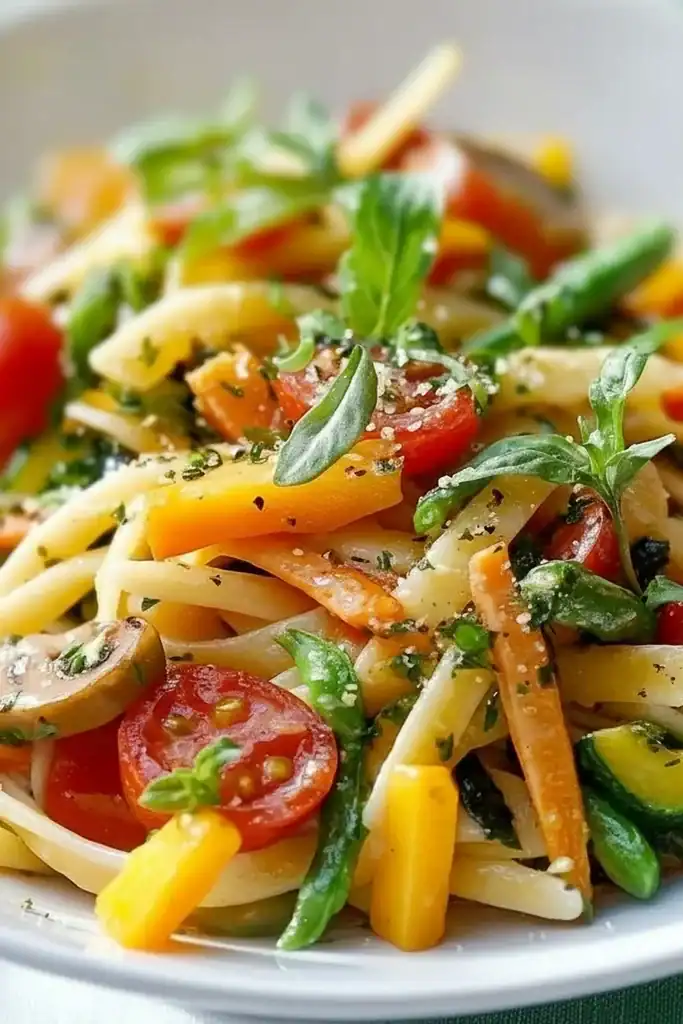
For this recipe, using good quality, fresh ingredients makes all the difference. I always opt for a block of proper Parmigiano-Reggiano and grate it myself; the flavour is miles better than the pre-grated kind and it melts into the sauce much more smoothly.
- 400g dried pasta (Farfalle, Penne, or Fusilli work well)
- 1 tbsp olive oil
- 2 cloves garlic, finely minced
- 1 large shallot, finely diced
- 250g thin asparagus spears, trimmed and cut into 2-inch pieces
- 1 medium courgette, diced
- 150g frozen peas
- 80g freshly grated Parmesan cheese, plus extra for serving
- 1 large egg yolk
- Zest and juice of 1 lemon
- A small handful of fresh mint leaves, roughly chopped
- A small handful of fresh flat-leaf parsley, roughly chopped
- Salt and freshly ground black pepper to taste
Sophia’s Tip: To ensure your asparagus is perfectly cooked and retains its vibrant green colour, you can blanch it for 1-2 minutes in the pasta water just before the pasta is done cooking. Remove it with a slotted spoon and plunge it into ice water before adding it to the pan in the final steps.
How to Make Pasta Primavera
The process for this recipe involves cooking the pasta and vegetables separately before bringing them all together with the simple, elegant sauce. The key is to work efficiently and have all your ingredients prepped and ready to go.
- Cook the Pasta: Bring a large pot of heavily salted water to a rolling boil. Add the pasta and cook according to package directions until al dente. Just before draining, reserve about 300ml (a large mugful) of the starchy pasta water. Drain the pasta and set aside.
- Sauté the Aromatics: While the pasta is cooking, heat the olive oil in a large frying pan over a medium heat. Add the diced shallot and cook for 2-3 minutes until softened and translucent. Add the minced garlic and cook for another minute until fragrant, being careful not to let it burn.
- Cook the Vegetables: Add the chopped asparagus and diced courgette to the pan. Season with a pinch of salt and pepper. Sauté for 5-7 minutes, stirring occasionally, until the vegetables are crisp-tender. You want them to have a slight bite.
- Add the Peas: Stir in the frozen peas and cook for another 2 minutes until they are bright green and heated through.
- Prepare the Sauce Base: In a small bowl, whisk together the grated Parmesan, egg yolk, and lemon zest. This will form a thick paste.
- Create the Sauce: Turn the heat on the frying pan down to low. Add the cooked, drained pasta to the pan with the vegetables. Pour in about 150ml of the reserved hot pasta water and stir vigorously to coat everything.
- Emulsify: Add the Parmesan and egg yolk mixture to the pan. It’s important to do this off the heat or on a very low heat to prevent the egg from scrambling. Toss everything together continuously using tongs. The heat from the pasta and the water will cook the yolk and melt the cheese, creating a glossy, creamy sauce that clings to the pasta. What works best for me is to keep tossing and adding small splashes of pasta water until the sauce reaches the desired consistency.
- Finishing Touches: Stir in the lemon juice, chopped mint, and parsley. Taste and adjust the seasoning with more salt and pepper if needed. Serve immediately, garnished with an extra grating of Parmesan cheese.
Tips From My Kitchen
- Temperature Control: The biggest risk with a sauce like this is scrambling the egg yolk. To avoid this, either take the pan completely off the heat before adding the cheese and egg mixture, or ensure your hob is on its absolute lowest setting. The residual heat is enough to create the sauce.
- The Secret Step: Don’t skip reserving the pasta water! I learned that this starchy, salty water is the key to a silky pasta sauce. It helps the sauce emulsify and cling to the pasta, giving it that restaurant-quality texture. You can read more about the science of emulsifying sauces on Serious Eats. Always save more than you think you’ll need.
- Make-Ahead: You can get a head start by chopping all your vegetables and grating the cheese in the morning or the day before. Store them in airtight containers in the fridge. The dish itself is best made just before serving.
- Storage: Leftovers can be stored in an airtight container in the refrigerator for up to 3 days. Reheat gently in a pan with a splash of water or milk to loosen the sauce, as it will thicken upon cooling.
Equipment You’ll Need
- Large pot for boiling pasta
- Colander
- Large frying pan or sauté pan
- Tongs or a pasta fork for tossing
- Small bowl for the sauce mixture
- Zester or fine grater
Delicious Variations to Try
One of the best things about this veggie pasta is how easily you can adapt it. Here are a few of our favourite variations:
- Spicy Version: Add 1/4 to 1/2 teaspoon of red chilli flakes along with the garlic for a gentle, warming heat that complements the fresh vegetables.
- Vegan Option: To make this pasta primavera vegan, omit the Parmesan and egg yolk. Instead, create a creamy sauce by blending 100g of soaked cashews with a splash of water, a tablespoon of nutritional yeast for cheesy flavour, and the lemon juice. Stir this into the pasta at the end.
- Add Protein: For a more substantial meal, stir in some cooked, shredded chicken, grilled prawns, or a tin of cannellini beans at the end. They all pair wonderfully with the light sauce and vegetables. For another great protein-packed meal, you might also like these Bacon Brown Sugar Chicken Tenders.
What to Serve With Pasta Primavera
This dish is quite complete on its own, but a few simple sides can round out the meal beautifully.
- A Simple Green Salad: A bowl of rocket or mixed greens with a sharp lemon vinaigrette cuts through the richness of the pasta and adds a fresh, peppery note.
- Crusty Bread: A slice of warm, crusty sourdough or garlic bread is ideal for mopping up any leftover sauce at the bottom of the bowl.
- A Crisp White Wine: A chilled glass of Pinot Grigio or Sauvignon Blanc works wonderfully here. The crisp acidity of the wine complements the lemon and fresh herbs in the dish.
Frequently Asked Questions
Pasta Primavera Recipe
Ingredients
Method
- Cook the Pasta: Bring a large pot of heavily salted water to a rolling boil. Add the pasta and cook according to package directions until al dente. Just before draining, reserve about 300ml (a large mugful) of the starchy pasta water. Drain the pasta and set aside.
- Sauté the Aromatics: While the pasta is cooking, heat the olive oil in a large frying pan over a medium heat. Add the diced shallot and cook for 2-3 minutes until softened and translucent. Add the minced garlic and cook for another minute until fragrant, being careful not to let it burn.
- Cook the Vegetables: Add the chopped asparagus and diced courgette to the pan. Season with a pinch of salt and pepper. Sauté for 5-7 minutes, stirring occasionally, until the vegetables are crisp-tender. You want them to have a slight bite.
- Add the Peas: Stir in the frozen peas and cook for another 2 minutes until they are bright green and heated through.
- Prepare the Sauce Base: In a small bowl, whisk together the grated Parmesan, egg yolk, and lemon zest. This will form a thick paste.
- Create the Sauce: Turn the heat on the frying pan down to low. Add the cooked, drained pasta to the pan with the vegetables. Pour in about 150ml of the reserved hot pasta water and stir vigorously to coat everything.
- Emulsify: Add the Parmesan and egg yolk mixture to the pan. It's important to do this off the heat or on a very low heat to prevent the egg from scrambling. Toss everything together continuously using tongs. The heat from the pasta and the water will cook the yolk and melt the cheese, creating a glossy, creamy sauce that clings to the pasta. What works best for me is to keep tossing and adding small splashes of pasta water until the sauce reaches the desired consistency.
- Finishing Touches: Stir in the lemon juice, chopped mint, and parsley. Taste and adjust the seasoning with more salt and pepper if needed. Serve immediately, garnished with an extra grating of Parmesan cheese.
Notes
I really hope you enjoy this fresh and vibrant Pasta Primavera. It’s a true staple in my home as soon as the weather starts to warm up, and it never fails to make us feel good. If you try this recipe, I would love to hear how it turned out for you. Please leave a comment below and let me know your thoughts! Happy cooking.
– Sophia